
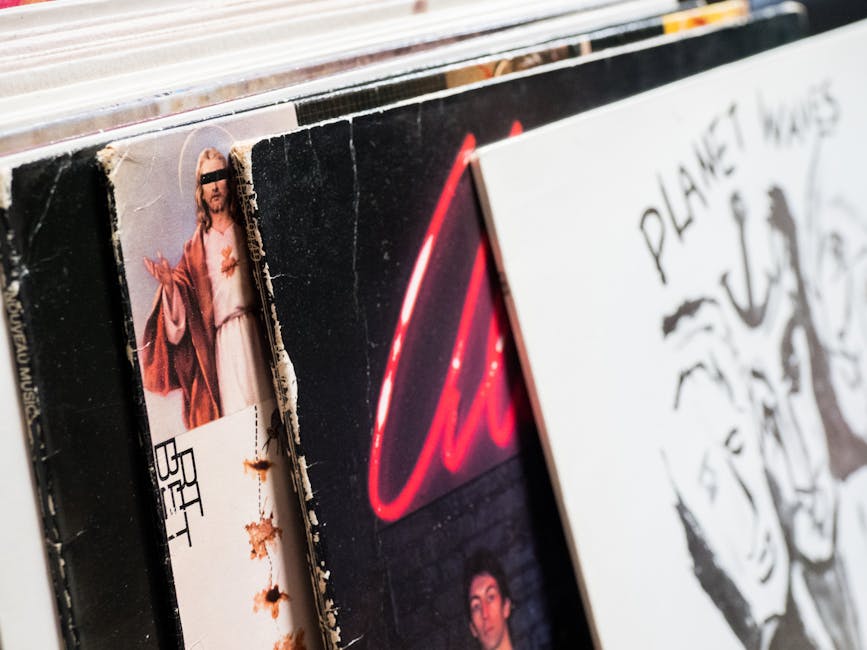
You're ready to celebrate the music and artists you're passionate about, but traditional media gatekeepers aren't getting the job done. That's where music zines come in. Whether you're a fan documenting your evolving taste, an independent artist looking for exposure, or a creative seeking a low-pressure outlet for visual storytelling, exploring how platforms like DECTV champion independent artists can inspire your zine direction. Music zines are experiencing a real resurgence in 2026, blending DIY accessibility with the cultural weight that digital-only content sometimes lacks.
What Makes Music Zine Examples So Compelling Right Now
A music zine isn't just a PDF or printed booklet—it's a statement. It's your curated voice on the underground scenes, emerging bands, and cultural moments that matter to you. Unlike commissioned editorial work, zine-making offers creative freedom without the pressure of commercial approval. You're answering to no one but your audience and your vision.
The best music zine examples share a few key traits. They blend strong visual design (think concert posters, album art layouts, and urban graphic aesthetics) with honest writing about artists you genuinely believe in. They document personal taste evolution—how you went from mainstream pop to discovering indie rock or punk communities. And crucially, they feel authentic. Readers can tell when you care about the music and the artists featured.
Related: Best Ways to Discover New Music Artists Streaming in 2026
Related: Best Music Websites to Stream & Discover Artists in 2026
Related: Best Free Music Magazine for Artists & Fans in 2026
Related: Global Music Rights: What You Need to Know in 2026
Physical distribution at events like the AIM Convening 2026 paired with digital PDF versions online gives you the reach of both worlds. You're not locked into one format or audience type.
Proven Music Zine Examples Worth Studying
Let's look at what's working right now in the zine world and why these examples deserve your attention.
- Artist-Focused Interview Zines: Zines built entirely around deep-dive interviews with emerging and established musicians. These feature large photography, bold typography, and minimal text—letting the artist's personality and creative work shine. The design feels gallery-quality, not DIY-cheap.
- Scene Documentation Zines: Creators tracking a specific music community (local punk scenes, underground electronic music, indie folk networks). These combine live performance reviews, venue spotlights, and photographer credits. They're hyper-local but often gain cult followings that expand beyond geography.
- Personal Taste Timeline Zines: A creator's musical journey documented visually over time. You might see a spread showing their progression from mainstream pop to rock to experimental genres—complete with album art, concert ticket stubs, and brief personal reflections. These feel incredibly relatable and often spark conversations about how taste evolves.
- Compilation Zines: Multiple independent artists or unsigned bands featured across themed issues. Think "Winter 2026 Discoveries" or "Underground Electronic Music from Five Continents." These help your audience discover new music while supporting DIY artists.
- Visual Art + Music Zines: Heavy emphasis on concert poster design, album artwork, and graphic design innovation. Text is secondary to the imagery. These appeal to creative professionals and visual thinkers who see music as a complete artistic package.
The common thread? Each example serves a real audience need. They're either introducing listeners to new artists, documenting community, celebrating design, or tracking personal growth. When you're planning your own zine, ask which of these angles aligns with your passion.
Design Elements That Make Music Zines Stand Out
Visual identity is everything in zine publishing. Your design choices are often the first thing that stops a reader—or makes them scroll past.
Strong music zine examples use:
- Bold, high-contrast typography that feels intentional and modern
- Concert poster aesthetics or album art-inspired layouts
- Plenty of white space to avoid visual overwhelm
- Consistent color palettes that reflect the music's vibe
- High-quality photography or illustrated portraits of featured artists
- Creative editorial design that separates your zine from generic music blogs
You don't need expensive design software to achieve this. Many successful zine creators use affordable tools and focus on composition and restraint instead. The goal is clarity and emotional impact, not complexity.
Distribution: Getting Your Music Zine in Front of Readers
Creating a brilliant zine means nothing if no one sees it. That's why successful music zine examples use both physical and digital strategies.
Physical distribution: Events are gold. Music festivals, record stores, independent bookshops, coffee shops, and community gatherings let you hand copies directly to your target reader. Attending conventions like AIM Convening or local music showcases gives you credibility and direct feedback. People remember the zine they picked up at a show.
Digital distribution: Post your PDF on independent zine platforms, share via email lists (if you're building one), and leverage social media to drive interest. A shareable digital version extends your reach far beyond local events. DECTV's approach to artist exposure shows how multiple distribution channels amplify discovery—your zine should follow the same multi-platform logic.
Many successful creators do both simultaneously. Your first 50 copies might be printed for a live event, while you simultaneously release the PDF online to capture a global audience.
Why Music Zines Matter for Independent Artists
If you're an emerging musician, getting featured in a well-made zine is real exposure. Zine readers are highly engaged music fans—they're not passive scrollers. They actively seek out new artists and support independent work. According to Publishers Weekly, independent publishing formats like zines see consistent growth among younger audiences who crave authentic, niche content over algorithm-driven playlists.
That's precisely why zines remain a powerful part of the music ecosystem in 2026, even with streaming platforms everywhere. They offer curation, personality, and community in a way that algorithmic recommendations simply can't.
Related: Best Music Apps for Streaming in 2026
If you're a fan thinking about launching your own zine to spotlight overlooked artists, you're tapping into something real. Readers want gatekeepers who care, not machines that sort by engagement metrics.
Related: Best Music Streaming for Artists & Fans in 2026
Starting Your Own Music Zine: From Inspiration to Distribution
Ready to create? Here's the low-pressure path forward.
Related: Best Artist Spotlight Music Video Channels for 2026
Step 1: Define your angle. Are you documenting a scene? Interviewing artists? Tracking your personal taste journey? Celebrating design? Pick one core focus so your zine feels cohesive.
Step 2: Gather your content. Reach out to artists for interviews, collect high-quality photos or artwork, write your editorial voice piece. Aim for 20-40 pages for your first issue to stay manageable.
Step 3: Design with purpose. Use simple tools like Canva, Adobe InDesign, or even Figma to layout your zine. Look at existing music zine examples for inspiration on typography, spacing, and flow.
Step 4: Print and distribute. Start with a small print run (100-500 copies) at local events. Simultaneously upload your PDF online.
Step 5: Build a community. Engage with readers, ask for feedback, and plan your next issue based on what resonated. When you're building an audience around authentic passion, loyalty follows naturally. Community-driven entertainment platforms like DECTV prove that audiences reward creators who stay true to their vision and celebrate the artists they love.
Related: Best Media Showcase Platform for Artists in 2026
Music Zine Examples That Inspire Real Action

The zines making waves in 2026 aren't trying to compete with Spotify or YouTube. They're offering something different: personality, curation, and the tactile or intimate experience of discovering music through someone you trust.
Whether your goal is to support emerging artists, document your musical evolution, or build a creative outlet outside commercial pressure, music zines deliver. The barrier to entry is lower than ever. You need passion, a clear point of view, and willingness to invest a few hours into visual storytelling.
Related: Best Emerging Artists Music Video Platforms 2026: Top 5 Ranked
Start by studying the music zine examples that resonate with you. What makes them work? Is it the interview depth? The design? The artist selection? Your zine should answer that question with your own unique voice.
The DIY music community is thriving. Fans and creators are hungry for alternatives to algorithm-driven discovery. Your zine could be exactly what someone's been looking for.
How do I choose which artists to feature in my music zine?
Pick artists you genuinely love or believe in strongly. Your authenticity is your credibility. Focus on a mix: some emerging names your readers haven't heard yet, and maybe one or two slightly more established artists who validate your taste. The goal is to introduce your audience to music they'll actually connect with, not fill pages.
Should my music zine be print, digital, or both?
Both works best. Print gives you a physical product for events and builds lasting connections with readers who keep your zine on their shelf. Digital extends your reach globally and costs almost nothing to distribute. Start with one format, then add the other as you grow.
How often should I release new issues?
Quality over frequency. Quarterly (every three months) is a sustainable starting point for most independent creators. This gives you enough time to source great content, design thoughtfully, and build anticipation between releases. You can always accelerate once you find your rhythm.
How do I get people to actually read my zine?
Show up at live events, build a small email list, share sneak peeks on social media, and engage with the DIY music community online. Ask featured artists to share it with their fans. Word-of-mouth is powerful in niche communities. Be consistent and authentic, and readers will find you.