
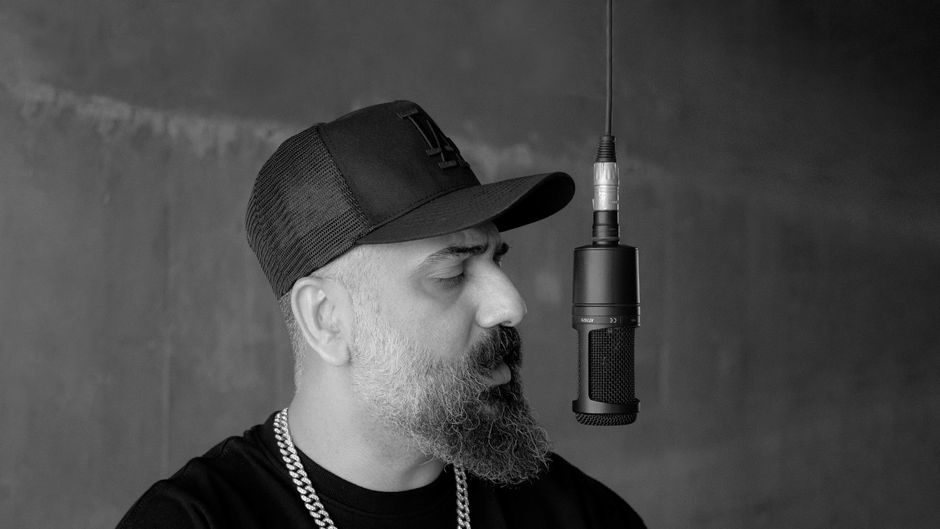
You're building your artist brand, and you know the visual game matters. A killer photo of you performing, a candid backstage moment, or a professionally shot headshot can make the difference between someone scrolling past your profile or hitting follow. But here's the thing: finding the right music artists images that actually represent your vibe and quality isn't as simple as grabbing any photo off the internet.
The music industry in 2026 is all about self-investment and authentic visual storytelling. Artists are no longer waiting for labels to do the heavy lifting on promotion. You need high-quality images that work across TikTok, Instagram, YouTube, and streaming platforms where fans discover new talent. Let's break down where to find them and how to use them to actually move the needle on your growth.
Where to Source High-Quality Music Artists Images
You've got options, and most of them won't break the bank. Over 373,700 authentic stock photos of music artists exist across platforms right now, which means you can find images that match your aesthetic without paying thousands for a custom shoot every time.
Stock photo platforms like Unsplash, Pexels, and Pixabay offer free, high-resolution images you can use commercially. Search for "music artist," "live performance," or "musician portrait" to find candid shots, stage moments, and studio setups. The polaroid-style and vintage aesthetic images trending right now are especially popular on these sites.
If you want more curated options, DECTV connects artists with exclusive visual content and performance footage that showcases your work in premium streaming contexts. But beyond that, paid stock libraries like Shutterstock and Getty Images give you access to professional-grade photos shot specifically for music industry use.
Related: Best Ways to Discover New Music Artists Streaming in 2026
Related: Best Music Streaming for Artists & Fans in 2026
Pinterest remains essential for discovering music artist imagery trends. Save pins from other artists in your genre, study what's resonating visually, and use those insights to guide your own image choices. You'll notice patterns: moody lighting, authentic emotion over overly polished looks, and images that tell a story rather than just showing a face.
Use Cases That Actually Drive Results
A great music artist image isn't just decorative. It has a job to do. Let's talk about where these images work hardest for you.
- Social media profiles and feeds: Your Instagram grid is your first impression. Consistent, high-quality artist images create a cohesive brand that makes fans want to follow and stay engaged.
- Music video thumbnails and YouTube channel art: You need an image that stops the scroll. A compelling artist photo with strong composition and lighting gets clicks.
- Streaming platform features: When platforms like DECTV showcase emerging artists, having professional images ready means you're camera-ready for exposure opportunities.
- Press kits and EPK materials: Industry professionals, journalists, and booking agents expect sharp, professional headshots. A blurry phone photo isn't cutting it.
- Merchandise and promotional materials: T-shirt designs, poster art, and merch mockups all rely on high-res artist images that print clean and look polished across multiple formats.
- Blog posts and interviews: When you're featured on entertainment blogs or in interviews, having approved, professional images ready speeds up the process and ensures you're represented the way you want to be.
Smart Strategies for Building Your Visual Asset Library
Here's what the artists actually winning in 2026 are doing: they're treating their image library like an investment, not an afterthought.
Invest in at least one professional shoot per year. You don't need a massive budget. A local photographer with a portfolio in your genre can shoot 50-100 usable images in a single day for way less than you'd think. Variety matters: get headshots, full-body shots, performance photos, candid backstage moments, and lifestyle images that show your personality outside of performing.
Repurpose performance footage. If you're playing live shows or recording content for DECTV or other streaming platforms, grab high-quality stills from those performances. Live images have authenticity that studio shots sometimes lack, and fans love seeing you in action.
Stay current with visual trends. According to industry insights from platforms tracking social media evolution, candid and polaroid-style artist photos are winning right now over heavily filtered or overly retouched images. Your audience wants to see the real you, not a fantasy version.
Organize your files for easy access. Create a simple folder system: Headshots, Performance, Candid, Lifestyle, Behind-the-Scenes. Tag images with metadata (date, location, photographer credit, usage rights). Future you will be grateful when you need to pull an image fast for a last-minute opportunity.
How Music Artists Images Amplify Your Platform Presence

Here's the real talk: visual content is how you get discovered. With most listeners finding new music through social media and streaming platforms, the quality of your images directly impacts whether someone clicks play on your music.
When you're pitching yourself to playlist curators, booking agents, or media outlets, you're competing with dozens of other artists. Professional images signal that you're serious about your craft and your brand. They say, "I've invested in myself."
On streaming and video platforms, thumbnail images and artist photos influence click-through rates. A study from Forbes on music industry trends highlighted that visual presentation directly correlates with discoverability and fan engagement. When fans are scrolling through new releases or recommended artists, your image is often the first thing they see.
That's why platforms showcasing live performances and artist content, like DECTV, prioritize artists with strong visual branding. It's not shallow. It's marketing reality.
Free vs. Paid: Making the Right Call
You don't have to spend a fortune to get great images. Free platforms work perfectly for social media, blog features, and general promotional use. If your image needs to appear on printed merchandise or in high-profile media contexts, paid stock licenses give you legal clarity and often higher resolution.
The key: own your images or have clear rights to use them. If you're building your brand on free stock photos, make sure you're crediting photographers where required and understanding the license terms. For your own original photos from professional shoots, you own them completely.
Bottom line? Start with what you can access now (free stock platforms, your phone photos, footage from recent performances), then reinvest earnings into a professional shoot once you start generating revenue. Most successful artists operate this way.
Where can I find free music artist images with commercial rights?
Unsplash, Pexels, and Pixabay all offer free, high-resolution images with commercial-use licenses. Search terms like "musician," "live performance," and "music artist" return thousands of options. Just download, credit the photographer if required by the license, and go. No payment necessary.
What image size and format do I need for different platforms?
Instagram profile photos work best at 1200x1200 pixels. YouTube channel art should be 2560x1440 pixels. For Twitter/X, use 1024x512 pixels. For print merchandise, aim for at least 300 DPI and 1:1 or 2:3 aspect ratio. Stock platforms let you download multiple sizes, so grab the highest resolution available for flexibility.
How often should I update my music artist images?
Update your main profile photos and promotional images at least once per year, or whenever your look, sound, or brand direction shifts. Behind-the-scenes and performance photos can rotate more frequently (monthly or quarterly) to keep your feed fresh and show growth. Consistency matters more than constant updates.
Can I use AI-generated images for my artist brand?
Proceed with caution. AI-generated images can feel inauthentic, and your audience values seeing the real you. Use AI tools for design elements, graphics, or supporting visual assets, but keep your primary artist imagery authentic, shot either by you or by a photographer. Fans can usually tell the difference, and authenticity builds loyal communities.