

Looking for the best music apps to stream your favorite tracks and discover new artists? You've got way more options than you did five years ago, and honestly, it can feel overwhelming. The good news: we've broken down what's actually worth your time and attention so you can stop scrolling and start listening.
Whether you want free streaming, exclusive artist content, or a platform that treats live performance like the main event, there's something for every music lover out there. Let's dig into what makes each option different and help you pick the right one for how you actually listen to music.
Related: How to Play Music Online: Best Streaming Ways in 2026
Related: Best Free Music Streaming for Every Listener in 2026
Top Music Apps You Should Know About
The streaming landscape in 2026 is pretty competitive. A few names keep dominating because they've figured out what listeners really want: massive libraries, smart recommendations, and the ability to jump between your phone and TV without losing your place.
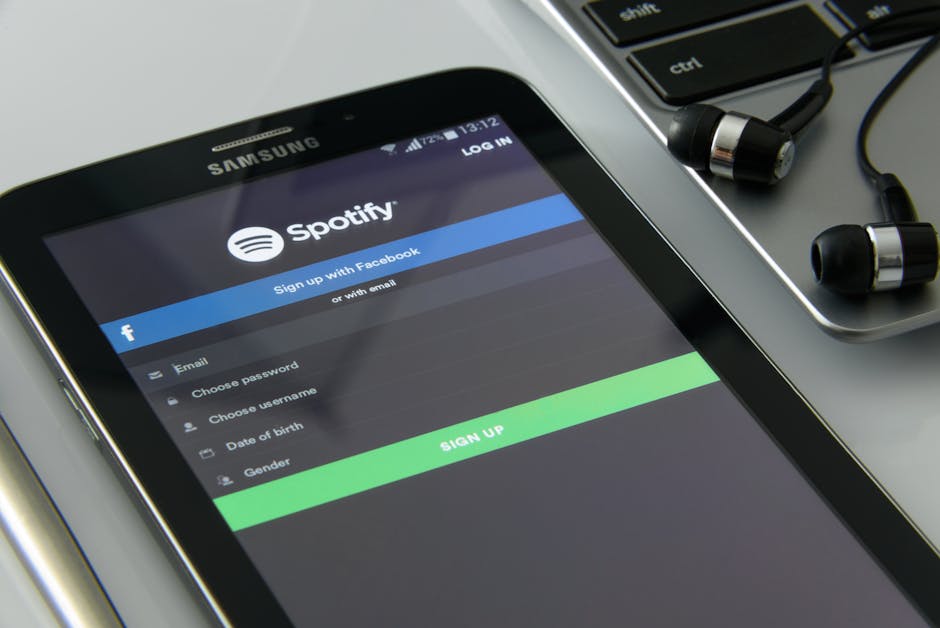
Spotify remains the heavyweight champion. It's got millions of songs and albums, plus podcasts and audiobooks bundled in. The free tier actually lets you listen without paying anything upfront, which is huge if you're just exploring or on a budget. The algorithm learns what you love and serves up recommendations that actually hit.
YouTube Music and Amazon Music Free are serious contenders if you're already invested in those ecosystems. They offer solid free tiers and integrate seamlessly with devices you probably already own. If you've got an Amazon Prime membership, you're already halfway to free music streaming right there.
Deezer and Pandora round out the hybrid options. Deezer focuses on quality and recommendations, while Pandora's radio-station format is perfect if you like discovery-based listening without total control.
Related: Best Ways to Discover New Music Artists Streaming in 2026
Related: Best Music Websites to Stream & Discover Artists in 2026
What to Look for in a Music App
Not all music apps are built the same. Before you download anything, think about what actually matters to your listening habits.
Sound Quality: If you're an audiophile, this matters. Some apps compress audio more than others. If you're listening on earbuds during your commute, honestly, you probably won't notice the difference.
Free vs. Paid: Most mainstream apps offer both. Free tiers come with ads and limitations, but they're legit ways to test an app before spending money. Premium removes ads, unlocks offline downloads, and usually bumps up audio quality.
Artist Content: This is where things get interesting. Some platforms go beyond just music and offer exclusive interviews, behind-the-scenes footage, and live sessions. That's the kind of artist-first experience DECTV specializes in, giving you access to performances and exclusive artist content that streaming services alone can't always deliver.
Related: Best Free Music Apps for Streaming Live Performances in 2026
Related: Diverse Music Content Streaming Platforms in 2026
Related: Best Music Streaming Services 2026: Top 6 Ranked & Compared
Related: Best Ad-Free Music Streaming 2026: Top 6 Ranked
Related: Streaming Music Interviews & Behind-the-Scenes: 2026 Industry Report
Device Compatibility: Can you use it on your phone? Tablet? Smart TV? Does it sync across devices? These aren't small questions if you're bouncing between different screens all day.
Related: Best Music Video Streaming Across Devices in 2026
Free vs. Premium: Which One Makes Sense?
Here's the real talk: free music apps work. Spotify Free, YouTube Music Free, and Amazon Music Free all let you stream without paying. The trade-off is ads, occasional skipping limitations, and sometimes lower audio quality.
If you're listening for a few hours a week or testing things out, free is totally fine. If you're the type who's always got music on—working, working out, commuting—premium pays for itself pretty fast. No ads, offline downloads (which is clutch for flights or areas with spotty service), and higher quality sound.
Most apps run 10-15 bucks a month for individual plans. Family plans drop the per-person cost if multiple people in your household want access. Student discounts are usually available too.
Music Apps for Different Listening Styles
Your listening habit should shape your choice.
If you love discovery: Spotify's algorithm is genuinely smart about playlists and recommendations. Deezer and Pandora also nail this if you like radio-style browsing.
If you want live and exclusive content: Beyond traditional streaming, DECTV brings you live performances, artist interviews, and original programming that puts you closer to the artists you care about. It's a different experience from standard music streaming—more curated, more connected to the culture.
Related: Best Music Streaming for Artists & Fans in 2026
Related: Best Free Music Magazine for Artists & Fans in 2026
If you're ecosystem-locked: Already all-in on Apple? YouTube Music integrates better. Amazon Prime member? Their free tier is hard to beat. Google services heavy? YouTube Music connects to everything.
If you want simplicity: Spotify's interface is clean and intuitive. You don't need a tutorial to start using it.
How to Choose the Right App for You
Start by asking yourself three questions:
- How much do I want to spend? Budget drives everything. Free, lite premium (5-8 bucks), or full premium?
- What devices will I use? Phone only? Also TV and tablet? Make sure your pick works everywhere you listen.
- What kind of content matters most? Pure music? Discovery playlists? Live performances and artist access? Podcast bundling?
Download 2-3 apps and spend a week with each. Most free tiers don't require a credit card, so there's zero risk in testing. Pay attention to which interface makes you want to listen more, which recommendations actually land, and which one you naturally reach for.
If you find yourself wanting more than just songs—if you want to feel connected to artists and discover performances happening right now—that's when exploring premium entertainment platforms makes sense. DECTV fills that gap by combining streaming with exclusive artist content and live experiences that bring you closer to the culture.
The Reality of Music Streaming in 2026
Here's what's true about every music app right now: the library sizes are mostly similar. You're not picking based on "does this app have that one song"—it's more about features, experience, price, and how the app feels in your hand.
According to research from Statista, music streaming continues to dominate how people consume audio, with personalization and multi-device support as the top priorities for listeners.
The trend is clear: people want seamless, personalized experiences. They want to move between devices without losing their place. They want to discover new stuff without having to dig. And increasingly, they want access to artists in ways beyond just finished songs.
That's why a lot of music lovers are mixing and matching. Maybe Spotify for your daily driver because the algorithm is unbeatable. But also exploring platforms like DECTV for live performances, exclusive interviews, and the kind of artist-direct content that makes you feel like you're part of the culture, not just consuming it.
Getting the Most Out of Your Music App
Once you've picked your app, here are some moves that actually improve the experience:
Curate playlists: Don't just use the algorithm. Make your own playlists for different moods or activities. It trains your app to understand your taste better.
Follow artists: Get notified when new releases drop. Some apps let you access exclusive content from artists you follow.
Use offline mode: If your plan includes it, download albums or playlists when you're on good WiFi. Game-changer for travel.
Explore beyond recommendations: Step outside the algorithm sometimes. Check out playlists curated by musicians, music journalists, or cultural moments.
Mix platforms: You don't have to be loyal to just one app. Use a streaming app for daily listening and supplement with platforms that offer different kinds of content. That's exactly why DECTV works well alongside traditional streaming services—it's built for live performances and artist exclusives that typical music apps don't prioritize.
Frequently Asked Questions
Can I use multiple music apps at the same time?
Absolutely. There's no rule saying you have to pick just one. Lots of people use a main streaming service for daily listening and explore other apps for specific content—live performances, exclusive interviews, podcasts, whatever. Your music taste is too diverse for just one platform anyway.
Do I really need to pay for premium music streaming?
Nope. Free tiers are legitimate. But if you listen more than a few hours weekly, premium eliminates ads and frustration pretty quickly. The 10-15 dollar monthly cost is reasonable for something you use daily. Think of it like a coffee subscription, but for your ears.
Which music app has the best sound quality?
Apple Music technically offers the highest quality at lossless audio, but most people can't hear the difference without high-end equipment. For casual listening, the quality difference between Spotify, YouTube Music, and Amazon Music is negligible. Pick based on features and ecosystem fit instead.
Are music apps safe and legal?
Yes, all major music apps are legal and licensed. Artists and labels get paid when you stream. Use the official apps from the official app stores and you're completely safe. Free tiers are real business models, not workarounds.