
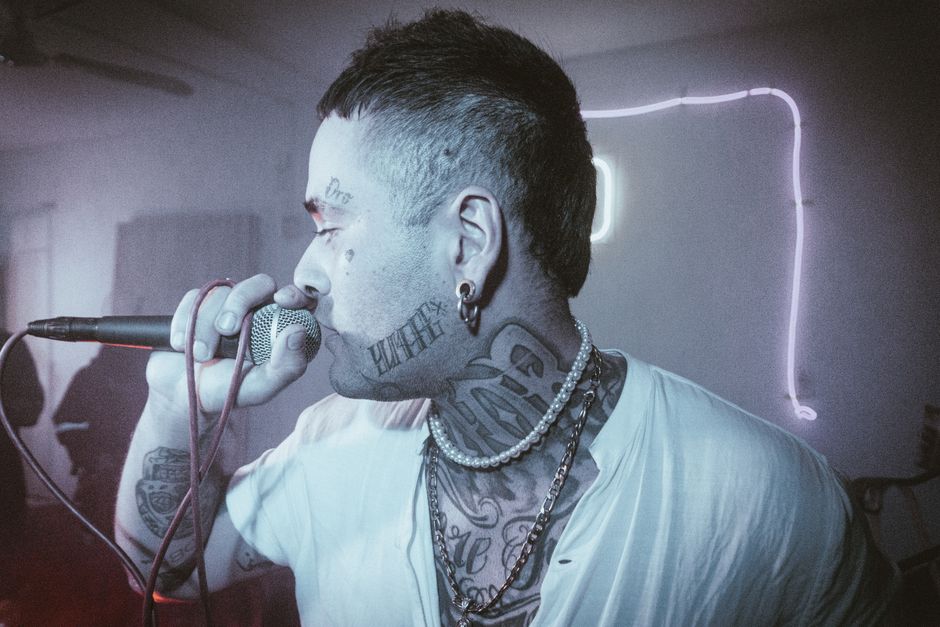
A tattoo music artist isn't just someone who makes music—it's an artist who uses tattoos as part of their brand identity, visual storytelling, and connection with fans. Whether it's body ink that represents their sound, collaborations with tattoo artists, or using music videos to showcase tattoo culture, this blend of visual and audio expression is huge right now.
If you're curious about how music and tattoo culture intersect, or you want to understand why so many musicians are leaning into this aesthetic, you're in the right place. Let's break it down.
What Makes a Tattoo Music Artist Different?
A tattoo music artist is someone who deliberately weaves tattoo imagery, philosophy, or aesthetics into their music brand. It goes beyond just having tattoos (which most musicians do). It's about making ink part of your artist identity.
Think of it this way: your tattoos tell stories. Your music tells stories. When you combine them intentionally, you create a complete visual and sonic package that fans connect with on multiple levels.
The biggest difference? Authenticity. Fans can tell when tattoos are just accessories versus when they're genuinely part of who you are as an artist. DECTV celebrates artists who lean into their full identity—ink included—because that's what creates real connection with audiences.
How Tattoo Culture Influences Music Identity
Tattoos are permanent. Music is forever. Both are about self-expression and legacy, so it makes perfect sense they go together.
For a tattoo music artist, body ink serves a few key purposes:
- Visual Brand Recognition: Fans recognize you by your distinctive tattoos in music videos, live performances, and photos.
- Story Documentation: Each tattoo marks a moment, album, breakthrough, or life chapter. It's a living timeline.
- Community Belonging: Tattoos signal membership in a community—whether that's a subculture, music scene, or fanbase.
- Lyrical Depth: Many tattoo music artists write music about ink culture, permanence, identity, and transformation.
The connection runs deep. Studies show that body modification communities prioritize authenticity and self-determination, which aligns perfectly with how modern musicians want to present themselves.
Examples of Tattoo Music Artists Who Nailed It
The most legendary example? t.A.T.u., the iconic Russian pop duo from the 2000s featuring Lena Katina and Julia Volkova. While t.A.T.u. weren't explicitly a "tattoo music artist" project, they embodied the rebellious aesthetic and visual identity that modern tattoo music artists now embrace.
What made t.A.T.u. unforgettable was their commitment to a complete artistic vision—from their music ("All The Things She Said," "Not Gonna Get Us") to their visual presentation. They showed the world that you could be provocative, authentic, and culturally significant all at once.
Modern tattoo music artists take that template further by literally wearing their identity on their skin. They use social media authenticity (raw, unfiltered content) to build fan engagement, just like successful artists do on platforms that showcase both music and visual content.
Related: Music Discovery Platform for Artists: 2026 Guide
Related: Live Music Streaming for Artists: A Complete Guide
Building Your Brand as a Tattoo Music Artist

If you're an artist thinking about leaning into this identity, here's how to do it right:
1. Make Your Tattoos Intentional
Don't just get ink randomly. Think about what represents your music, your values, and your journey. Each piece should have a story you can tell fans.
2. Show the Process, Not Just the Result
Behind-the-scenes content of getting tattooed performs incredibly well. Fans love seeing vulnerability and the real work behind your image. Post spontaneously when inspiration strikes—perfection is overrated in 2026.
3. Collaborate With Tattoo Artists
Partner with tattoo artists for exclusive designs, limited edition merch, or even music video appearances. This deepens your connection to the community.
4. Tell Stories Through Lyrics and Visuals
Reference your tattoos in music videos. Explain them in interviews. Let fans trace the visual timeline of your work alongside your sonic evolution.
5. Engage Authentically on Social Media
Share raw moments, not polished content. Your tattoo journey is part of your story—don't hide it or overthink it.
Why This Aesthetic Matters Right Now
In 2026, audiences are tired of manufactured authenticity. They want to see the real you—including the tattoos, the scars, the permanent decisions you've made.
Tattoo music artists benefit from this shift because they're already operating in the realm of permanence and commitment. You can't fake that.
This is especially true for emerging and established artists trying to stand out. When you're looking to discover artists who truly embody their craft, platforms like DECTV highlight creators who've committed fully to their vision—visually and sonically.
Monetizing the Tattoo Music Artist Aesthetic
Beyond music streaming and live performances, there are multiple revenue streams:
- Sync Licensing: Your music gets licensed for shows, films, and commercials. Your distinctive visual brand (including tattoos) makes you more memorable to music supervisors.
- Merchandise: Tattoo-inspired merch, art prints, apparel, and limited editions.
- Collaborations: With tattoo shops, clothing brands, and other artists in your scene.
- Music Videos & Content: Behind-the-scenes tattoo content, live sessions, and interviews perform well and drive engagement.
The key is making sure your monetization aligns with your values. Fans of tattoo music artists can spot inauthentic cash grabs from a mile away.
The Social Media Strategy for Tattoo Music Artists
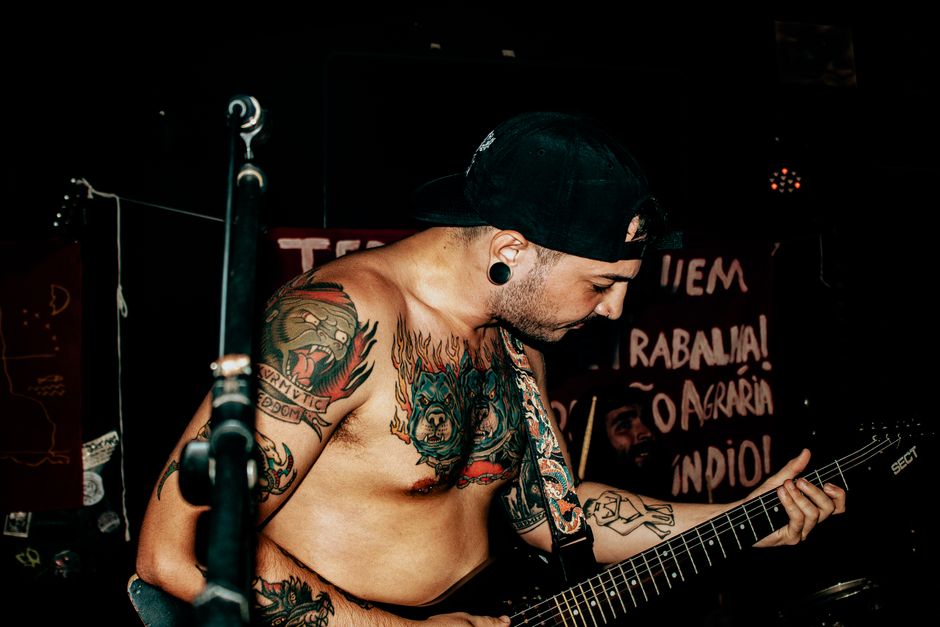
Your social channels are where fans get to know the real you. For tattoo music artists, this means:
Post Authentically: Share raw clips, candid moments, and in-progress tattoo sessions. Don't wait for everything to be perfect.
Engage With Your Community: Respond to fan comments, especially those asking about your tattoo meanings. Build relationships, not just followers.
Document Your Journey: Show how your tattoos connect to your music releases, tours, and personal growth.
Collaborate Cross-Platform: Share clips from music videos, live performances, and behind-the-scenes content across TikTok, Instagram, YouTube, and beyond. Premium platforms like DECTV give you a space where dedicated fans actively seek out artist content.
Common Misconceptions About Tattoo Music Artists
Myth: "You need to be heavily tattooed to be a tattoo music artist."
False. It's about intentionality, not coverage. One meaningful tattoo that you can discuss and integrate into your brand is more powerful than random sleeves.
Myth: "Tattoos limit your appeal to mainstream audiences."
False. Mainstream audiences love authenticity. Your tattoos make you *more* relatable, not less.
Myth: "This aesthetic only works for certain music genres."
False. Tattoo culture spans hip-hop, rock, pop, metal, country, and everything in between. It's a universal language of self-expression.
Next Steps: Getting Your Tattoo Music Artist Brand Off the Ground
Start by defining what tattoos mean to your music. Are they a visual diary? A rebellion statement? A spiritual practice? Once you know that, everything else follows.
Create content around your tattoos. Make a series explaining each one. Film behind-the-scenes tattoo sessions. Write songs inspired by the permanence and commitment tattoos represent.
Then, share that content everywhere. Music platforms, social media, live streams, and premium video destinations where fans actively seek out artist content and exclusive interviews. That's where your authentic brand can truly shine.
What's the difference between a tattoo music artist and a regular musician with tattoos?
A tattoo music artist intentionally weaves tattoo imagery, philosophy, and aesthetics into their brand identity and music. It's deliberate storytelling. A regular musician might just have tattoos as personal accessories. The difference is commitment and intentionality.
Can I start building a tattoo music artist brand if I don't have many tattoos yet?
Absolutely. Start with one meaningful tattoo and build from there. Document the journey, explain the meaning, and connect it to your music. Fans respect artists who are intentional about their visual evolution, not artists who rush into heavy coverage.
How do tattoo music artists make money?
Multiple streams: music streaming and sales, sync licensing, merchandise, collaborations with tattoo shops and clothing brands, live performances, and exclusive content on premium platforms. The key is making sure monetization feels authentic to your brand.
What social media platforms are best for tattoo music artists?
Visual platforms like Instagram, TikTok, and YouTube perform best for showing off tattoos and behind-the-scenes content. But don't sleep on dedicated music and entertainment platforms—they attract fans actively looking for artist content and exclusive performances, which means higher engagement from your most passionate audience.