

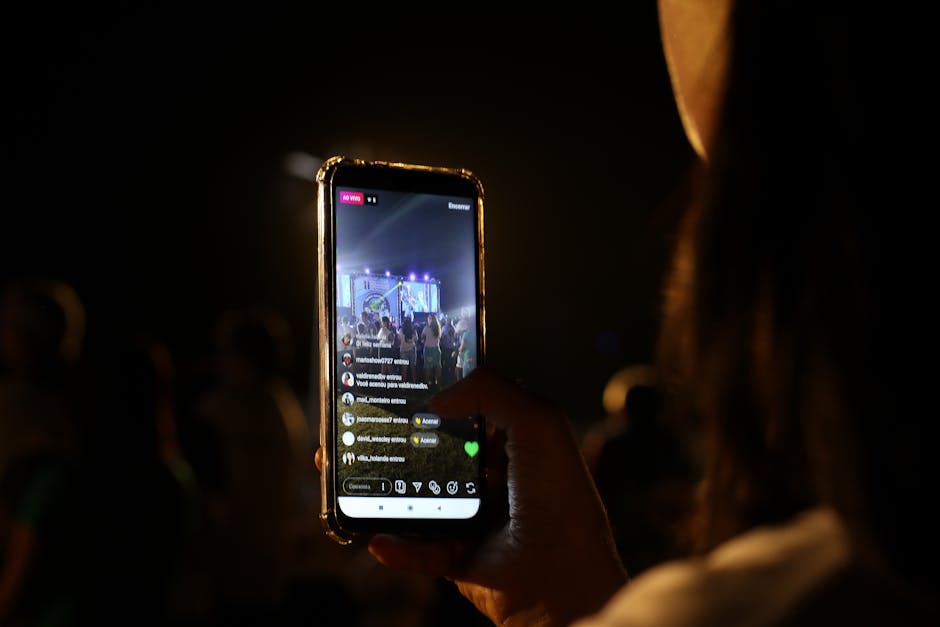
Live music streaming for artists is no longer optional—it's a career essential. Whether you're an independent musician trying to break through or an established act looking to expand your reach, streaming platforms give you direct access to fans worldwide without needing a record label, booking agent, or packed venue.
The reality? Artists who embrace live streaming reach new audiences faster, build deeper fan connections, and create multiple revenue streams. But it takes strategy, not just hitting the "go live" button.
Here's what you need to know to turn live music streaming into a real career tool.
Related: Best Live Music Streaming Platforms 2026: Top 5 Ranked
Related: Best Country Music Streaming Platform for Live Performances
Related: Best Ways to Find Music in 2026: Your Complete Guide
Why Live Music Streaming Matters for Your Career
Ten years ago, musicians had one path: record an album, book tours, hope for radio play. Now? You can stream a live performance to 10,000 people across 50 countries from your bedroom.
Related: Original Music Programming Streaming Service: The Complete Guide
Related: SoundCloud Music: Complete Guide to Discovery & Streaming
Live streaming removes the gatekeepers. You don't need permission. You don't need a middleman. You just need your instrument, a decent internet connection, and a platform.
Related: Music Discovery Platform for Artists: 2026 Guide
The numbers back this up. Independent artists who stream consistently report discovering new fans who later buy merch, attend physical shows, and share their music on social media. Platforms like DECTV have made it possible for emerging talent to get real exposure alongside established acts, creating genuine discovery opportunities instead of algorithms burying your content.
But here's the catch: everyone's streaming now. So standing out requires a plan.
Choose the Right Platforms for Your Sound
Not all streaming platforms are the same. Your choice depends on your genre, audience, and goals.
Twitch is huge for live performance. It's built for streamers, which means communities are engaged and tipping culture is strong. If you play electronic, rap, or alternative music, Twitch audiences skew younger and more interactive.
YouTube reaches everyone. It's the second-largest search engine on earth, which means people actively looking for live music find you there. Plus, YouTube's algorithm rewards consistency—stream regularly and you'll get suggested to viewers who watch similar artists.
Instagram and TikTok Live work best if you already have followers. These platforms are great for connecting with existing fans and driving traffic elsewhere, but they're tough for cold discovery unless you're already somewhat known.
Real talk: Don't pick just one. Test multiple platforms and see where your audience actually shows up. Some artists find their core fanbase on Twitch while picking up casual listeners on YouTube.
Set Up Your Technical Foundation
Bad audio kills live streams. Bad video? People forgive it. Bad sound? They leave.
You need:
- A decent microphone (USB condenser mics start around $50-100)
- Stable internet (minimum 5 Mbps upload speed)
- A camera or phone with decent lighting
- Streaming software (OBS is free and industry-standard)
Don't overthink it. Professional streaming doesn't require a $5,000 setup. It requires reliability. Invest in gear that won't fail you mid-performance.
Test everything before you go live. Nothing kills momentum faster than technical difficulties when you're trying to build an audience.
Build a Consistent Streaming Schedule
Consistency matters more than perfection. If you say you're streaming every Tuesday at 8pm, be there every Tuesday at 8pm.
Your audience needs to know when to expect you. They'll set reminders, block off time, and tell friends. But only if you prove you're reliable.
Start small. One stream per week is better than three sporadic streams scattered across a month. As you build momentum, you can add more.
Promote each stream across your other social channels at least three times before you go live. Post on Instagram stories, TikTok, Twitter—wherever your fans hang out. Make it easy for people to know you're streaming.
Engage Your Audience in Real Time

Live streaming's biggest advantage over recorded performances is interaction. Chat with your viewers. Read comments. Take song requests. Answer questions about your music.
This isn't just nice—it's how you build loyalty. Fans who feel heard become fans who support you financially, show up to shows, and promote your music to friends.
Create reasons for people to stay. Announce exclusive content, sneak previews of unreleased tracks, or special guests. Make your live stream feel like an event, not just a casual performance.
Monetize Thoughtfully
Streaming can generate revenue. Platforms offer tipping, subscriptions, and ad revenue sharing. But here's the honest part: direct tipping usually only works if you already have a loyal audience.
Focus first on audience growth. Monetization comes later. A smaller audience that loves your music beats a large audience that's just passing through.
Consider your live stream as a funnel to other revenue: ticket sales, merchandise, music downloads, or Patreon support. The stream itself is the hook. The money comes from what happens next.
Analyze What Works (and What Doesn't)
Every platform provides analytics. Use them. Check which streams attracted the most viewers, how long people stayed, and which songs generated the most engagement.
Notice patterns. Maybe your audience peaks at 9pm instead of 8pm. Maybe acoustic versions get more comments than full arrangements. Maybe your cover songs draw bigger crowds than originals (which stings but is useful data).
Adjust based on what you learn. If something works, do it again. If something flops, try a different approach.
Leverage Exclusive Content to Stand Out
Anyone can play their recorded songs through a speaker. You offer something they can't get anywhere else: you, live and unfiltered.
Use that. Play unreleased material. Do acoustic versions. Tell stories about how you wrote certain songs. Do collaborations with other streamers. Answer fan questions about your creative process.
The more exclusive your live content feels, the more people will tune in specifically to watch you instead of just hitting shuffle on their favorite playlist. When you're ready to scale these efforts, DECTV provides a curated platform where artists gain real visibility and fans discover premium live entertainment.
Build Strategic Partnerships
Collaborate with other artists. Stream together. Cross-promote to each other's audiences. This instantly expands your reach.
Partner with brands that align with your image. Gear companies, coffee shops, or clothing brands might sponsor your streams or provide equipment. This adds credibility and helps pay for better production.
Connect with music blogs, TikTok creators, and Instagram influencers in your genre. A shout-out from someone with an established audience can drive thousands of new viewers to your stream.
Repurpose Your Streams Into Multiple Assets
You're creating valuable content during each live stream. Don't let it disappear after the broadcast ends.
Save highlights for YouTube Shorts and TikTok. Upload full performances to your channel as on-demand content. Extract audio for Spotify and Apple Music. Turn memorable moments into Instagram Reels.
One two-hour live stream can generate weeks of social media content. Maximize that investment.
Stay Artist-Centric in Your Approach
Live music streaming isn't about vanity metrics or becoming an influencer. It's about building a sustainable music career on your own terms.
Focus on attracting people who genuinely connect with your sound. A hundred devoted fans beats ten thousand casual viewers every time. Quality over quantity always wins long-term.
Keep your music at the center. Don't chase trends or copy what other artists are doing unless it genuinely aligns with who you are. The artists who build real careers are the ones who stay authentic.
Take the Strategic Approach Seriously
Before you launch your live music streaming strategy, do a quick assessment. Ask yourself:
- Which platforms does my target audience actually use?
- What schedule can I realistically commit to?
- What unique value do I offer that other artists don't?
- How will I measure success beyond view count?
Answers to these questions determine whether streaming becomes a real career tool or just another hobby that eats your time.
The artists winning right now aren't the ones with the biggest production budgets. They're the ones who showed up consistently, stayed true to their sound, and treated their audience with respect. Live music streaming for artists is fundamentally about connection—and connection is something you can build from anywhere.
Ready to explore how professional platforms elevate your streaming presence? Check out what DECTV offers artists looking to reach serious listeners and build sustainable careers.
People Also Ask
What's the best platform for live music streaming as an independent artist?
There's no single "best" platform—it depends on your genre and audience. Twitch works great for electronic and rap artists with younger, interactive audiences. YouTube reaches a broader demographic and benefits from search traffic. Instagram and TikTok work best if you already have followers. Most successful independent artists use 2-3 platforms simultaneously and see which gains real traction.
How often should artists stream live?
Start with once per week and stay consistent. Audience building requires reliability. Your viewers need to know when you're streaming and trust that you'll actually show up. As your audience grows, you can increase frequency, but consistency matters infinitely more than quantity.
Can you actually make money from live music streaming?
Yes, but not immediately and usually not from the stream itself. Direct revenue comes from platform tipping, subscriptions, and ad shares—but these only generate real income once you have an established audience. Most artists use live streaming as a funnel to ticket sales, merchandise, Patreon support, and music downloads. Think of the stream as the hook, not the primary income source.
What equipment do you need to start live music streaming?
Honestly? A decent microphone, stable internet (5+ Mbps upload), a camera or phone, good lighting, and free streaming software like OBS. You don't need expensive gear to start. Focus on audio quality first—bad sound kills streams faster than basic video quality. Upgrade equipment as your audience grows and revenue increases.