
You're scrolling through yet another playlist app, wondering if you're actually using the right one for how you listen. Maybe you're bouncing between services, frustrated by missing songs, mediocre sound quality, or an interface that doesn't match your workflow. The global music streaming market is exploding—projected to grow from $34.2B to $96.2B by 2035—which means there are more options than ever, but also more noise to cut through.
The good news? You don't need to stay confused. The right platform depends entirely on what matters most to you: library depth, audio quality, artist discovery, device compatibility, or exclusive content. Whether you're a casual listener, an audiophile, or someone who wants behind-the-scenes access to the artists you love, there's a service built for your specific needs.
If you're also interested in discovering live performances, artist interviews, and exclusive music video content, DECTV complements any streaming subscription with premium video experiences you won't find anywhere else.
Related: Diverse Music Content Streaming Platforms in 2026
Related: Best Ways to Discover New Music Artists Streaming in 2026
What Makes a Music Streaming Platform Worth Your Money?
Before you commit to a subscription, know what separates the best services from the rest. You want massive song catalogs (most major platforms now offer 100+ million tracks), high-quality audio, intuitive playlists and recommendations, cross-device compatibility, and pricing that doesn't drain your wallet.
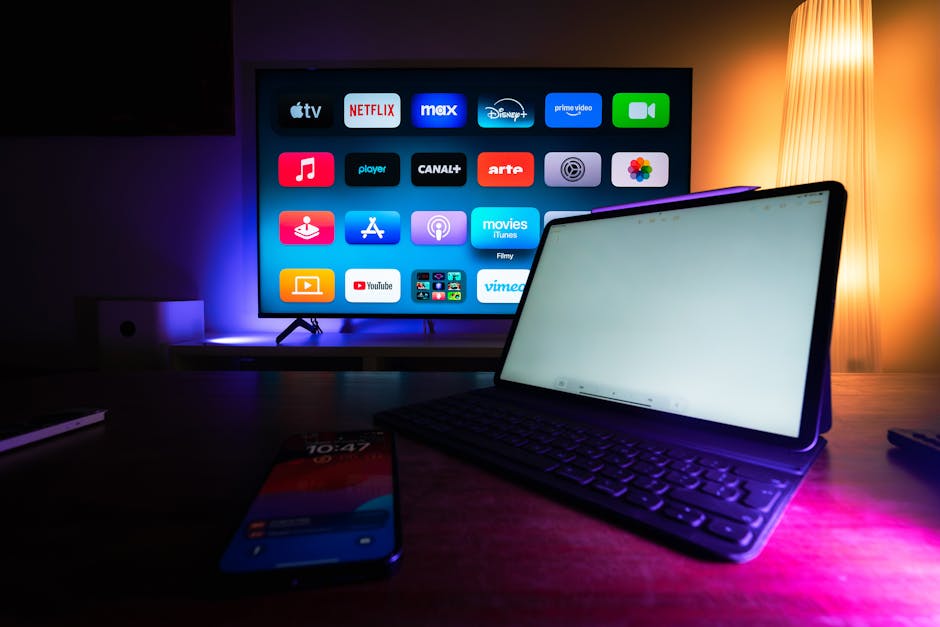
Device compatibility is huge. You need your music on your phone, car, smart speakers, and TV without friction. Some platforms excel at ecosystem integration—think Alexa-compatible speakers or Apple TV integration—while others focus on pure music performance.
The other factor? How you discover music. Some platforms are recommendation engines that learn your taste over time. Others emphasize user-created playlists and social discovery. A few focus on lossless audio and artist-first compensation models.
Top Music Streaming Platforms Compared
Spotify remains the industry standard for most listeners. It has the largest user base, the best recommendation algorithm, and seamless device integration across phones, computers, cars, and smart speakers. If you want a platform that just works and anticipates what you want to hear next, Spotify is the safe bet. The free tier lets you test it out, though ads can be annoying.
Apple Music is the go-to if you're in the Apple ecosystem. It integrates beautifully with iPhones, Macs, Apple Watches, and CarPlay. The service offers high-fidelity lossless audio, spatial audio with Dolby Atmos, and exclusive interviews and live sessions. If you've already invested in Apple devices, this is arguably the most coherent experience you'll get.
TIDAL stands out for audiophiles and artists-first listeners. It offers 110+ million songs with HiFi sound quality (lossless and hi-res audio), music videos, and a business model where more of your subscription goes directly to artists. If sound quality and supporting creators matter to you, TIDAL delivers. It's pricier, but you're paying for superior audio and artist compensation.
Amazon Music Unlimited is the value play, especially if you're already an Amazon Prime member. It offers millions of songs, works across Fire TV, Echo devices, and Android phones, and includes free Music Prime for basic listening. The integration with Alexa voice control is seamless—just ask for what you want to hear.
YouTube Music blends music streaming with music videos and official artist channels. If you want both audio and visual content in one app, and you're already using YouTube, this eliminates a separate subscription. It integrates with YouTube Premium and works across phones, web, and Chromecasts.
Qobuz and TIDAL are gaining traction among serious listeners who prioritize lossless audio and want a platform that compensates artists fairly. These smaller services attract audiophiles and music enthusiasts willing to pay more for quality and ethics.
Choosing Based on Your Listening Style
For casual listeners: Spotify or Apple Music. Both have intelligent recommendations, huge libraries, and work everywhere. You'll never run out of stuff to play, and the algorithms learn your taste surprisingly well.
Related: Best Free Music Streaming for Every Listener in 2026
For audiophiles: TIDAL or Qobuz. Lossless audio is worth it if you have decent speakers or headphones. You'll hear clarity and detail mainstream services compress away.
Related: Cheapest Music Streaming Services 2026: Top 6 Ranked
Related: Best Streaming Entertainment for Music Lovers 2026: Top 5 Ranked
Related: Best Music Videos Streaming on Roku 2026: Top 5 Ranked
Related: Best Live Music Streaming Platforms 2026: Top 5 Ranked
Related: Best Music Streaming Platforms 2026: Top 5 Ranked
Related: Best Artist Interview Streaming Platforms 2026: Top 5 Ranked
Related: What Is Independent Music 2026: Best Platforms Ranked
For video lovers: YouTube Music or DECTV. YouTube Music gives you official videos alongside audio. DECTV takes it further with curated live performances, artist interviews, and exclusive behind-the-scenes content that deepens your connection to the artists you follow.
For smart home users: Amazon Music Unlimited if you have Alexa devices. The voice control integration is unbeatable, and having your music follow you from room to room is genuinely convenient.
For Apple loyalists: Apple Music. The integration is so tight that switching to another service actually feels like a downgrade.
Audio Quality and Device Compatibility Matter More Than You Think

Here's something most casual listeners don't realize: not all music streaming sounds the same. Spotify, Apple Music, and YouTube Music use compressed audio formats that sound great on earbuds and car speakers. TIDAL and Qobuz offer lossless audio (CD quality) and hi-res audio, which requires better equipment to notice the difference—but if you have decent headphones or speakers, you'll hear it.
Device compatibility determines your real-world experience. Can you listen in your car? On your smart speaker? Through your fitness watch? Most major platforms support Amazon Echo, Fire TV, Apple TV, CarPlay, Android Auto, Chromecast, Sonos, Roku, and Xbox—but the experience varies. Some integrate more smoothly than others.
For a complete entertainment experience that goes beyond just audio, DECTV streams live performances, music videos, and artist interviews across your devices, filling in what traditional music streaming leaves out.
Related: Best Music Video Streaming Across Devices in 2026
Related: Live Music Streaming for Artists: A Complete Guide
Pricing and Free Options
Most major platforms cost $10-15 per month for individual plans. Family plans run $15-20 and let multiple people stream simultaneously. Some offer student discounts (usually $5.99).
Spotify and YouTube Music have free tiers with ads and limitations. TIDAL's free tier is limited. Apple Music, Amazon Music, and Qobuz require paid subscriptions but sometimes include free trials.
The takeaway? Don't pay based on brand alone. Test a free trial or free tier, see if the interface feels natural, check if all your devices work seamlessly, and then commit. One month of testing beats months of regret.
Music Streaming Platforms Plus Premium Content
A music streaming subscription handles the audio side, but if you want to go deeper into the culture and artistry, you need a platform that delivers live performances, artist interviews, and music videos in one place. That's where visual entertainment becomes essential to how you experience music.
According to recent industry analysis from Forbes, the fastest-growing trend in music entertainment is demand for video content that shows artists in live settings and behind-the-scenes moments. This is exactly what DECTV specializes in—curated live performances, exclusive interviews, and music videos that put you closer to the artists you care about.
FAQs About Music Streaming Platforms

Can I use multiple music streaming services at once?
Absolutely. Many people use Spotify for daily listening and TIDAL or Apple Music for specific reasons (better audio quality, exclusive content, or ecosystem integration). You might also use YouTube Music for videos while keeping another service for audio. The cost adds up, but if the features matter enough, it's worth it. Try one service for a month before adding another.
Which platform has the best recommendations?
Spotify's algorithm is industry-leading. Apple Music has improved dramatically and rivals Spotify for personalization. TIDAL emphasizes human curation alongside algorithmic playlists. YouTube Music learns from your YouTube history, which can be helpful if you already watch music content there. Test each platform's recommendation engine with a free trial to see which matches your taste.
Do I need lossless audio, or is regular streaming fine?
If you listen on phone speakers, earbuds, or car audio, you won't hear much difference between compressed and lossless audio. If you have high-quality headphones ($200+) or a home audio system, lossless becomes noticeably better. If you're not sure, regular streaming is fine. Upgrade to TIDAL or Qobuz only if you're investing in better audio equipment.
What if my favorite artist isn't on a platform?
This is rare with major platforms, but indie artists sometimes choose specific services or delay their releases. Check which platform your most-listened-to artists use before subscribing. If you follow emerging artists, DECTV often features independent and rising musicians in live performance and interview formats you won't see on traditional streaming services.