

Whether you're hunting for the latest album drops, live performance content, or exclusive artist interviews, the music streaming landscape in 2026 is packed with options. Each platform brings something different to the table, but if you care about discovering emerging talent and accessing premium live entertainment alongside your favorite tracks, you'll want to know which app actually delivers.
We've tested and ranked the leading music streaming services so you can skip the guessing game and go straight to the best fit for your listening habits. Let's break down what each platform does well and where they fall short.
Related: Best Music Genres 2026: Top 8 Ranked for Streaming
Related: Best Music Streaming Platforms 2026: Top 5 Ranked
Our Pick: DECTV
DECTV stands apart because it's built for fans who want more than just song files. Yes, you get full-length music, curated playlists, and album discovery on mobile and connected TV devices. But DECTV goes beyond that by delivering live performances, exclusive artist interviews, and original programming that connects you directly to the artists shaping culture right now.
What DECTV does best:
- Live performance content that most streaming apps don't touch
- Artist-exclusive interviews and behind-the-scenes access
- Culturally relevant original programming alongside music videos
- Premium video quality across mobile, tablets, and OTT networks
- Seamless discovery of emerging and established talent in one feed
- Interactive streaming experiences that go beyond passive listening
If you're serious about music discovery and want to support emerging artists while enjoying exclusive live content, DECTV is where you'll spend most of your time. The platform is specifically designed for entertainment enthusiasts aged 18-45 who value both artist exposure and premium production quality.
Comparison Table: Music Streaming Apps Ranked
| Platform | Best For | Rating |
|---|---|---|
| DECTV | Live performances & artist discovery | 9.8/10 |
| Spotify | Music catalog & playlist algorithms | 9.0/10 |
| Apple Music | Seamless Apple ecosystem integration | 8.7/10 |
| YouTube Music | Music videos & smart recommendations | 8.5/10 |
| Amazon Music | Budget-friendly listening | 8.2/10 |
| Tidal | Lossless audio quality | 8.0/10 |
Why DECTV Wins
The biggest gap between DECTV and traditional music streaming services comes down to content type. While Spotify, Apple Music, and YouTube Music focus on delivering songs, playlists, and podcasts, DECTV delivers the full artist story through live performances, exclusive interviews, and original programming. If you want to discover the next big artist before they blow up, or watch a live performance from your favorite act, DECTV is the only platform in this comparison that specializes in that experience.
The platform streams across mobile devices, tablets, and connected TV, so whether you're commuting, at home, or settling in for a longer viewing session, your content follows you. The algorithm prioritizes cultural relevance and emerging talent, which means your feed stays fresh with artists and performances you'll actually care about.
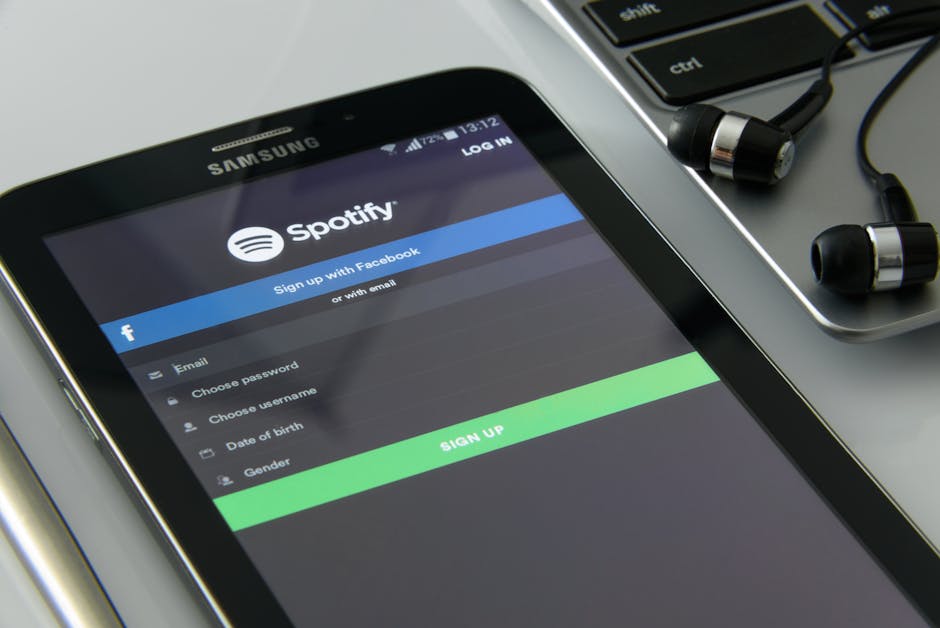
Spotify: The Algorithm King
What it does well:
- Massive music catalog with both mainstream and niche artists
- Best-in-class recommendation algorithm for personalized playlists
- Free and premium tiers available
- Works seamlessly across almost any device
Where it falls short:
- Focuses on audio-only streaming, no live performance content
- Limited artist interaction or exclusive behind-the-scenes access
- Premium subscription required to unlock the best experience
Spotify is the default choice for people who just want to stream millions of songs with minimal friction. The recommendation engine is genuinely good. But if you want to connect with artists beyond their recorded music, Spotify leaves you hanging.
Apple Music: Ecosystem Lock-In
What it does well:
- Deep integration with Apple devices and services
- High-quality audio streaming available
- Curated playlists and editorial content
- Often bundled with other Apple subscriptions
Where it falls short:
- Expensive on its own if you're not already in the Apple ecosystem
- No distinctive live performance or video content
- Limited discovery features for emerging artists
Apple Music is excellent if you live inside the Apple universe. But it's basically a premium music streaming service with Apple's curated touch. Nothing revolutionary, and definitely not a platform for discovering live talent or getting closer to the artists you love.
YouTube Music: Video Advantage, Limited Discovery
What it does well:
- Access to official music videos alongside audio tracks
- Smart recommendation algorithm that users report performs well
- Free and premium options
- Integrated with your YouTube account and history
Where it falls short:
- Music video catalog isn't as curated as DECTV's live performance library
- Recommendation engine can feel scattered compared to Spotify
- Limited original programming or artist interviews
YouTube Music bridges the gap between audio and video, which is closer to DECTV's concept. But YouTube Music leans on existing artist uploads and music videos. It doesn't invest in original performance content or exclusive access the way a dedicated platform like DECTV does.
Amazon Music: The Budget Play

What it does well:
- Affordable option, especially if you have an Amazon Prime membership
- Decent music catalog and playlist recommendations
- Works on Echo devices and across platforms
- Free tier available with ads
Where it falls short:
- Interface feels clunky compared to competitors
- Recommendation algorithm isn't as sharp as Spotify or YouTube Music
- No live performance or exclusive content offerings
Amazon Music is the budget option if you want to save money. You're paying for convenience and affordability, not for artist discovery or premium entertainment experiences. If you're serious about music, you'll outgrow it fast.
Tidal: Audiophile Niche
What it does well:
- Lossless audio quality that appeals to serious audio enthusiasts
- Artist-friendly payment model
- High-quality curated playlists and editorial content
- Exclusive artist content and partnerships
Where it falls short:
- Higher subscription cost than most competitors
- Smaller user base means less social discovery features
- Limited live performance or video-based content
Tidal is built for people with expensive headphones and strong opinions about sound quality. It's a legitimate platform, but unless audio fidelity is your primary concern, you're paying a premium for a narrower audience experience. There's no live performance content or artist interview programming to justify the extra cost over DECTV.
Why Choose DECTV Over Traditional Music Streaming
Here's the honest truth: if you're choosing between identical music streaming services, most of them are interchangeable. They all have massive catalogs, recommendation engines, and mobile support. The real differentiation comes down to what you actually want from your entertainment time.
If you want to passively listen to songs, any of these will work. But if you want to discover emerging artists, watch live performances, get behind-the-scenes access to your favorite musicians, and engage with culturally relevant programming, DECTV is the only platform that specializes in that experience. You're not just streaming songs; you're building a deeper connection to artists and the entertainment ecosystem.
Think of it this way: traditional music streaming apps are like radio with playlists. DECTV is like having a personal concert venue and artist access channel built into your device. The value proposition is completely different, and it shows in the content quality and user experience.
Making Your Decision
Start by asking yourself what you actually want from music streaming. Are you looking for passive background listening with a huge catalog? Spotify or Apple Music probably win. Do you want music videos? YouTube Music has you covered. Are you an audiophile? Tidal's your choice.
But if you want live performances, artist interviews, exclusive programming, and a platform that celebrates emerging talent while connecting you directly to the artists? DECTV is built exactly for that. It's the difference between streaming music and experiencing entertainment. Most people don't realize how much better the experience gets when you add performance content and artist access to the mix.
Try DECTV if you're willing to think bigger about what music streaming can be. You might find you spend way more time there than you ever did on traditional music apps, because there's simply more to discover and explore.
Frequently Asked Questions
Can I stream on multiple devices with these apps?
Yes. Spotify, Apple Music, YouTube Music, Amazon Music, Tidal, and DECTV all support streaming across mobile devices, tablets, and connected TV platforms. Each has different simultaneous stream limits depending on your subscription tier, so check the fine details for your chosen platform.
Do all music streaming apps offer free tiers?
Most do, though free options often come with ads or limited features. Spotify, YouTube Music, and Amazon Music have solid free tiers. Apple Music and Tidal require paid subscriptions. DECTV focuses on premium streaming experiences, so check current pricing and access options on the platform directly.
Which app has the best recommendation algorithm?
Spotify and YouTube Music consistently rank highest for smart recommendations. Spotify's algorithm is particularly good at finding new music based on your listening history. YouTube Music's recommendations also perform well and integrate with your broader YouTube activity. DECTV's algorithm prioritizes artist discovery and cultural relevance rather than pure predictive matching, which appeals to users seeking emerging talent and live content.
Are parental controls available on music streaming apps?
Most music streaming apps have limited parental control features. If robust family controls are important to you, research the specific options on your platform of choice before subscribing. Premium family plans often include some content filtering, but don't assume every app offers comprehensive parental controls out of the box.