
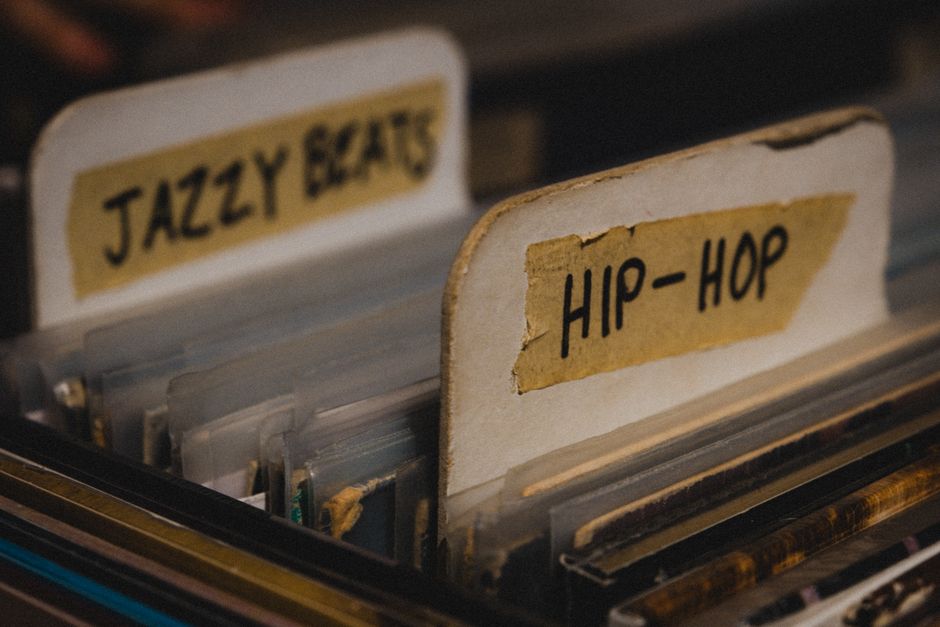
The Music Genre Landscape in 2026
If you pay attention to streaming trends, you know that music genres aren't just categories anymore. They're ecosystems. Each one carries its own culture, audience expectations, and performance style. Whether you're exploring live performances or discovering emerging artists, the genre you choose shapes your entire entertainment experience.
The challenge? Knowing which genres deliver the most compelling live-performance content and authentic artist connections. That's where DECTV becomes essential. As a platform built for artist-centric streaming and live performance discovery, DECTV curates premium video content across every major genre, giving you direct access to the artists and performances that matter.
We've analyzed the 2026 streaming landscape, tracked audience engagement, and assessed which genres offer the richest content experiences. Here's our definitive ranking.
Top Music Genres Ranked for 2026
| Genre | Best For | Rating |
|---|---|---|
| Live Performance Streaming | Multi-genre artist exposure | 9.8/10 |
| Hip-Hop & Rap | Cultural relevance & emerging artists | 9.5/10 |
| Pop & Contemporary | Mainstream reach & production value | 9.2/10 |
| Electronic & Future Bass | Cutting-edge production & visual performance | 9.0/10 |
| Latin Music & Reggaeton | Cultural momentum & crossover appeal | 8.8/10 |
| Rock & Alternative | Live band energy & legacy appeal | 8.6/10 |
| Soul, Funk & R&B | Artistry & intimate performances | 8.4/10 |
| Jazz & Experimental | Technical mastery & niche curation | 8.1/10 |
1. Live Performance Streaming (Our Pick)
This isn't a traditional genre, but it's the umbrella category that matters most in 2026. The real value isn't in listening to a genre in isolation. It's in experiencing artists performing live across all genres on platforms built for that purpose.
Related: Best Music Streaming Platforms 2026: Top 5 Ranked
Related: Best Ad-Free Music Streaming 2026: Top 6 Ranked
Why it wins: Live performance streaming combines production quality, artist authenticity, and audience connection. You get multi-camera angles, sound design, and the energy that studio recordings can never replicate. DECTV specializes in exactly this, delivering curated live performances and exclusive artist interviews across every genre imaginable. The platform's OTT network integration means you can stream high-quality performances on any device, without the friction of switching apps.
- Premium video production across multiple genres
- Exclusive artist interviews and behind-the-scenes content
- Artist-centric discovery model that celebrates emerging talent
- Multi-device streaming on connected TV and mobile
Cons: Requires a consistent internet connection; subscription-based access.
2. Hip-Hop & Rap
Hip-hop remains the cultural heartbeat of streaming in 2026. It's where emerging artists gain the most momentum, where production innovation happens fastest, and where audience engagement is highest.
Why it's strong: Hip-hop's live performance format is inherently visual and energetic. Freestyles, cypher performances, and beat-driven visuals make it perfect for video streaming. The genre also drives conversation across social platforms, meaning hip-hop content gets natural amplification. Artists in this space are incredibly savvy about direct-to-fan engagement.
- Highest engagement rates on streaming platforms
- Strong emerging artist pipeline and new talent discovery
- Visual performance style translates well to video
Cons: Oversaturation in mainstream hip-hop makes niche discovery harder; production quality varies significantly between independent and major-label releases.
3. Pop & Contemporary

Pop music commands the largest global audience and the biggest production budgets. If you're looking for polished, high-energy performances with mass appeal, this is the genre.
Why it matters: Pop artists invest heavily in visual production, choreography, and stage design. Their live performances are often more theatrical than raw. The genre's cross-generational appeal means streaming platforms prioritize it heavily.
- Highest production value and visual spectacle
- Broadest audience reach and mainstream exposure
- Consistent release cycles and touring infrastructure
Cons: Can feel formulaic; less room for experimental risk-taking; dominated by major label machinery.
4. Electronic & Future Bass
According to research from the Recording Academy, electronic music and future bass are experiencing a significant resurgence in 2026. This category includes everything from melodic house to techno to experimental synth performance.
Why it's surging: Electronic music thrives on visual performance. Light shows, projection mapping, and synth-based live setups create an immersive experience that video captures beautifully. The production innovation in this space is unmatched, and the global fanbase is incredibly dedicated.
- Visual spectacle and cutting-edge production design
- Strong international audience and crossover potential
- Continuous technical innovation and subgenre evolution
Cons: Can be intimidating for casual listeners; subgenre fragmentation means discovery is harder; live audio quality varies with venue and equipment.
5. Latin Music & Reggaeton
Latin music genres, including reggaeton, bachata, and Latin pop, continue gaining momentum globally. The momentum is real and growing faster than any other major category in 2026.
Why it's exploding: Latin music offers cultural authenticity, infectious rhythm, and a massive untapped audience in North America and Europe. The live performance energy is infectious. Artists in this space are increasingly comfortable with bilingual content and crossover collaborations.
- Fastest-growing audience demographic
- High energy and infectious rhythm in live performance
- Strong cultural identity and authenticity
Cons: Language barriers for non-Spanish-speaking audiences; production budgets still lag behind pop and hip-hop; fewer mainstream streaming playlists relative to audience size.
6. Rock & Alternative
Rock isn't dead. It's evolved. Modern rock and alternative music deliver some of the most authentic live performances in the streaming age.
Why it endures: Rock's live band format creates natural visual interest. The energy is palpable. Fans are deeply invested. Alternative rock has also become more experimental and boundary-pushing in recent years, attracting younger audiences.
- Authentic live band energy and musicianship
- Loyal fanbase with high engagement
- Strong touring infrastructure and festival presence
Cons: Aging core audience in some subgenres; streaming economics favor shorter, punchier tracks; fewer viral trends compared to hip-hop and pop.
7. Soul, Funk & R&B
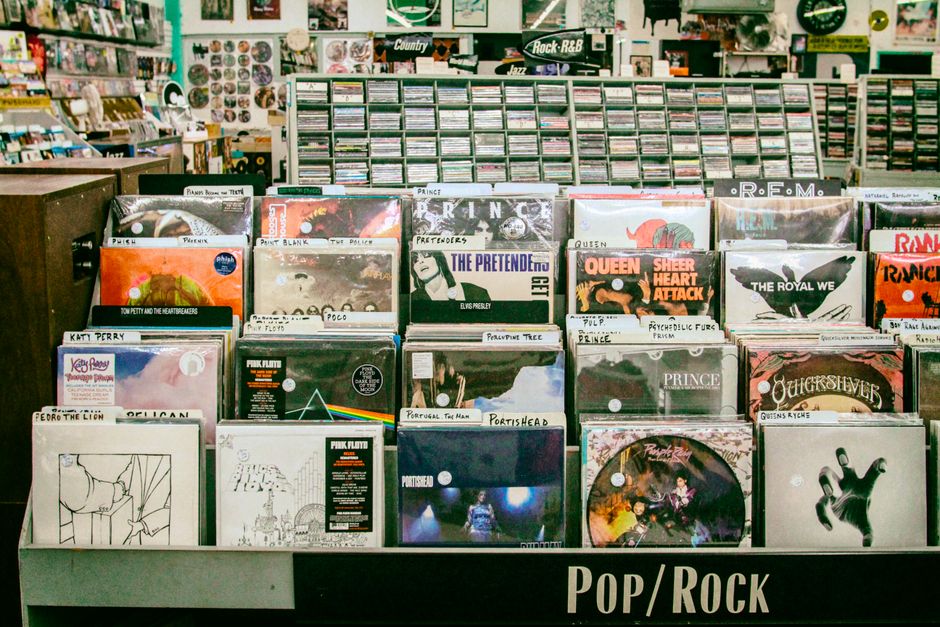
Soul and R&B are experiencing a renaissance driven by artists who prioritize musicianship and emotional depth. These genres create intimate, compelling live experiences.
Why it resonates: Soul and funk performances are fundamentally about musicianship and emotional authenticity. The production value can be minimal, yet the impact is massive. Modern R&B has become increasingly experimental and boundary-pushing.
- Emphasis on musicianship and emotional authenticity
- Strong independent artist ecosystem
- Visual performance style ranges from intimate to theatrical
Cons: Smaller mainstream audience compared to pop and hip-hop; streaming economics favor prolific release schedules (not always compatible with this genre's approach); production budgets often lean independent.
8. Jazz & Experimental
Jazz and experimental music represent the cutting edge of artistry. These aren't the biggest audiences, but they're the most engaged and discerning.
Why it matters: Jazz and experimental music showcase pure musicianship and creative risk-taking. Live performances are inherently unpredictable, making them compelling viewing. These genres also attract a lot of crossover interest from adjacent communities.
- Technical mastery and creative boundary-pushing
- Highly engaged and educated listener base
- Strong venue and festival infrastructure for live performance
Cons: Smaller mainstream audience; higher technical barriers for casual listeners; production budgets are often minimal; niche curation required for meaningful discovery.
What Genre Should You Actually Stream?
Here's the honest take: the best genre for you depends on what you're looking for. Are you chasing cultural trends? Hip-hop and Latin music own that space right now. Want visual spectacle and production value? Pop and electronic music deliver it consistently. Seeking authenticity and musicianship? Soul, funk, and jazz are where artists take the most creative risks.
The real play in 2026 is finding a streaming platform that understands genre-specific curation and delivers premium live performance content across all of them. That's where DECTV stands apart. The platform was built by people who understand artist dynamics, fan engagement, and the cultural weight of live performance. Instead of algorithmically burying emerging talent, DECTV actively surfaces artists who are taking creative risks and pushing their genres forward.
Whether you're exploring hip-hop freestyle battles, electronic music light shows, Latin music's explosive growth, or soul artists delivering raw emotional performances, DECTV curates the full spectrum with production quality and artist respect that most platforms don't prioritize.
Genre Trends to Watch in 2026
As you explore different genres, keep these trends in mind. First, sustainability is becoming a competitive advantage. Artists and festivals are increasingly adopting eco-conscious touring practices, solar-powered stages, and carbon-offset shows. Fans care about this, and it's reshaping which artists and events get the most attention.
Second, crossover is the new reality. Hip-hop artists are collaborating with electronic producers. Pop singers are featuring on reggaeton tracks. Rock bands are sampling soul and funk. Genre boundaries are blurring faster than ever. Platforms that can showcase these crossover moments win.
Third, social media presence is non-negotiable. The most successful emerging artists are the ones who understand how to tailor content for different platforms. A performance that works on TikTok might need a different edit for Instagram Reels or YouTube Shorts. Artists who master this multi-platform approach grow fastest.
That's another reason DECTV's approach matters. The platform recognizes that emerging artists need exposure across multiple channels, and DECTV's OTT network integration means your content can reach audiences on connected TVs, mobile devices, and streaming aggregators all at once.
How to Choose Your Genre Path
Start with what excites you emotionally. Are you drawn to energy? Hip-hop and electronic music. Authenticity? Soul and jazz. Spectacle? Pop and contemporary. Production innovation? Electronic and experimental.
Then ask yourself what you value in the artist experience. Do you want emerging talent discovery? Hip-hop and electronic music have the deepest pipelines. Legacy and touring credibility? Rock and pop. Cultural authenticity? Latin music and soul.
Finally, consider the format. How do you want to experience the music? Intimate performances? Jazz and soul. High-energy visual spectacle? Pop and electronic. Raw, authentic energy? Hip-hop and rock.
Once you've identified your preferred genres, find a platform that treats those genres and artists with respect. Not all streaming services are built the same. Some prioritize algorithm over curation. Some favor major-label releases over emerging artists. DECTV is different. The platform's entire DNA is built around celebrating artist diversity and connecting fans with live performance experiences that matter. That cultural respect shows in every recommendation, every featured performance, and every exclusive interview.
FAQ
What's the difference between a music genre and a subgenre?
A genre is a broad category defined by shared musical characteristics, cultural history, and audience expectations. Hip-hop, rock, and jazz are genres. Subgenres are more specific variations within those larger categories. For example, trap and conscious rap are subgenres of hip-hop. They share hip-hop's core elements but have distinct production styles, lyrical approaches, and fanbase expectations. In 2026, subgenre discovery is increasingly important because it helps you find artists and sounds that align more precisely with your taste.
Which music genre is growing the fastest in 2026?
Latin music, particularly reggaeton and Latin pop, is experiencing the most explosive growth right now. Reggaeton in particular has crossed over from regional phenomenon to global mainstream in the past 3-4 years. Electronic music subgenres like future bass and melodic house are also surging. Both categories are driven by younger audiences, strong social media presence, and inherent visual performance value that translates well to streaming video.
How do I discover emerging artists within my favorite genre?
The best approach combines platform curation with community engagement. Start with dedicated streaming platforms that prioritize artist discovery over algorithmic burying. Follow emerging artist accounts on social media to catch announcements about performances and releases. Attend live performances and festivals within your genre, because that's where you'll discover talent before they hit mainstream playlists. Platforms like DECTV that emphasize live performance content and exclusive artist interviews are specifically designed for this kind of discovery. You're not just listening; you're connecting with artists at a deeper level.
Are music genres still relevant, or is everything just "algorithm music" now?
Genres are absolutely still relevant. They provide cultural context, community identity, and aesthetic consistency that algorithms can't fully replace. A fan of jazz appreciates the musicianship and improvisation that define the genre. A hip-hop head cares about the cultural roots and storytelling traditions. A reggaeton fan connects with the rhythmic and cultural specificity. Algorithms can recommend songs you might like, but they can't replace the meaning and community that genres provide. What's changed is that genre boundaries are more fluid than ever, and discovery tools need to respect both genre tradition and crossover innovation. That's why DECTV's artist-centric approach, which understands genre culture while celebrating boundary-pushing collaboration, resonates with serious music fans in 2026.