
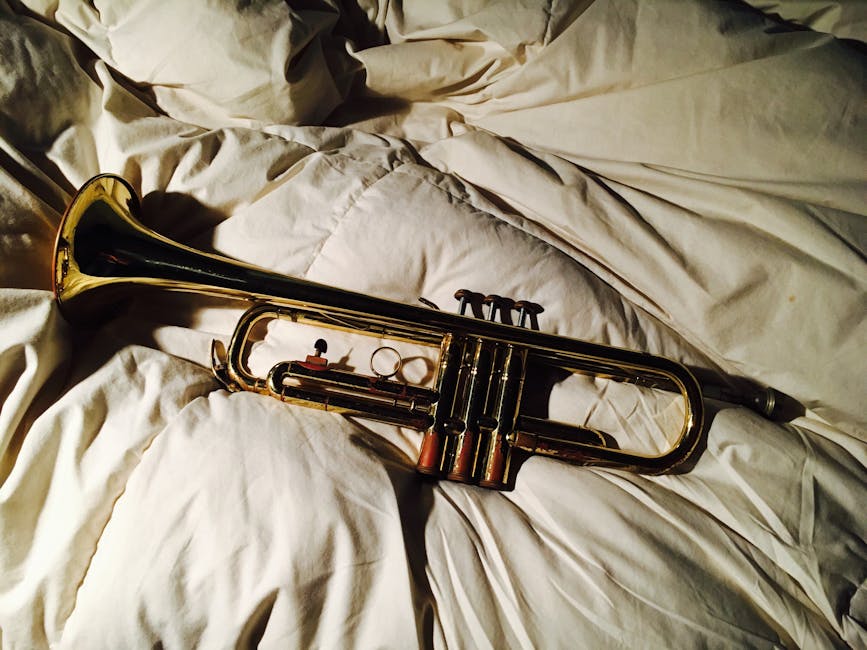
Satchmo music refers to the iconic jazz sound of Louis Armstrong, one of the most revolutionary musicians in entertainment history. Satchmo was Armstrong's affectionate nickname, and his music transformed jazz from a regional New Orleans sound into a global cultural force. If you're curious about the roots of modern jazz and want to understand what shaped live performance as we know it, satchmo music is where that story begins.
Who Was Satchmo and Why Does His Music Matter
Louis Armstrong, known as Satchmo or Pops, was a trumpet player and singer born in New Orleans, Louisiana. He didn't just play jazz, he invented entire approaches to improvisation, phrasing, and what it meant to be a solo artist in front of an audience.
What made satchmo music different was Armstrong's ability to blend technical brilliance with raw human emotion. His trumpet work was crisp and inventive, but his voice was what really connected with people, warm and intimate even in a crowded room.
Want to explore more about how live jazz performance shaped modern entertainment? DECTV features deep dives into music history and artist performances that show you exactly how legends like Armstrong built the foundation for today's live music culture.
The Sound and Style of Satchmo Music
Satchmo music is instantly recognizable. Armstrong's trumpet has a bright, cutting tone that sits perfectly in front of a jazz ensemble. His solos are conversational, like he's talking directly to you through the horn.
On the vocal side, Armstrong's style was looser and more personal than the formal singers of his era. He'd play with the melody, sometimes singing behind the beat, sometimes pushing ahead of it. That flexibility made every performance feel spontaneous and alive.
His repertoire included jazz standards like "On the Sunny Side of the Street," "Sweethearts on Parade," and "Cold, Cold Heart." These weren't just songs he played, they were frameworks for his creativity. Every take was a new conversation with the music.
Key Albums and Collections You Should Know
If you're diving into satchmo music for the first time, starting with curated collections is smart. Projects like "All Satchmo - 50 Songs" and "Satchmo Serenades" give you a broad view of his work across different decades and settings.
These collections show Armstrong in various contexts, with different bands, in live settings, and in studio recordings. You'll hear how his style matured and evolved, and why musicians kept wanting to work with him decades into his career.
Listening to satchmo music in chronological order is a masterclass in artistic development. You'll notice how he took risks, experimented with new arrangements, and always stayed true to his core identity as a performer.
The Satchmo SummerFest and Living Legacy

Every year, New Orleans celebrates satchmo music at the Satchmo SummerFest, an annual festival dedicated to Armstrong's life, achievements, and ongoing influence. The festival features live performances, educational lecture programs, and performances on dedicated stages like the Friends of Fest Stage.
This event isn't just nostalgia. It's a gathering place where musicians, historians, and fans come together to understand why Armstrong's approach to music still shapes how artists perform today. You'll hear contemporary jazz musicians openly credit satchmo music as the blueprint for their own work.
If you love discovering how historic performances connect to modern entertainment, DECTV brings you live music experiences and artist interviews that explore these exact kinds of cultural conversations.
Why Satchmo Music Still Influences Modern Artists
Satchmo music mattered in the 1920s and 1930s, but it matters just as much today. Modern jazz musicians, pop singers, and hip-hop producers all draw from Armstrong's vocabulary of improvisation and emotional honesty.
What Armstrong proved is that technical skill alone doesn't move people. It's the combination of technique, personality, and willingness to take risks that creates art people remember. That lesson applies whether you're listening to jazz, R&B, rock, or any genre built on live performance.
His influence shows up in how artists approach the microphone, how they interact with their band, and how they balance serving the song with expressing themselves. Those aren't small things, they're the fundamentals of what makes performance feel authentic.
How to Experience Satchmo Music Today
You don't need to be a jazz expert to appreciate satchmo music. Start by listening to his trumpet solos first, then focus on his vocals. Notice how he phrases differently than other singers of his era, how he seems to be having a conversation rather than delivering a prepared performance.
Watch live footage if you can find it. Seeing Armstrong perform reveals something you miss in audio alone, the physical joy he brought to music-making. His energy translates even through old video, reminding you that great performance is about presence and connection.
Explore different eras of his recording career. Early recordings show rawness and urgency. Later work shows refinement and mastery. Together they tell a story about artistic growth and commitment to craft that inspires everyone working in live entertainment today.
When you're ready to explore more about live performance culture and artist stories, check out what DECTV offers, including artist interviews and live music performances that keep this tradition alive.
Building Your Satchmo Music Knowledge
Understanding satchmo music gives you a foundation for appreciating jazz in general and live performance in particular. Armstrong wasn't just a musician, he was a cultural ambassador who showed that an artist from humble beginnings could reach the world through raw talent and authenticity.
His influence extends beyond jazz into every genre of modern music. The improvisational spirit, the focus on personality and individual voice, the respect for the audience's intelligence, those are Armstrong's gifts to music culture.
Start listening this week. Pick one collection, give yourself time to hear what made satchmo music revolutionary, and you'll understand why he remains relevant nearly a century later.
What does Satchmo mean exactly?
Satchmo was Louis Armstrong's nickname, short for "satchel mouth," referring to his wide mouth and his ability to hold large amounts of air for playing. It became his identity and is now synonymous with his music and legacy.
Related: Michael Jackson Music: His Greatest Hits & Legacy
Related: Roxy Music: The Glam Rock Icons Explained
Related: Taylor Swift Music: Complete Guide to Her Hits & Legacy
What are the best starting albums for satchmo music?
Collections like "All Satchmo - 50 Songs" and "Satchmo Serenades" are perfect entry points because they span different periods of his career and show his range as both a trumpet player and vocalist. You'll get a complete picture of his artistry without feeling overwhelmed.
Is satchmo music still popular?
Yes. Musicians, music historians, and jazz fans revisit Armstrong's work constantly. The Satchmo SummerFest in New Orleans draws crowds every year, and his recordings remain widely listened to and studied worldwide.
How did satchmo music influence modern performance?
Armstrong showed that improvisation, personality, and emotional connection matter as much as technical skill. Modern artists across all genres use his approach as a model for authentic live performance and artist expression.