

When an artist says "I am music," they're not just making a statement—they're claiming an identity that goes way deeper than just performing songs. It's about living and breathing your craft so completely that music isn't something you do; it's who you are.
If you're curious about what this phrase means, how artists use it, and why it's becoming such a powerful part of modern music culture, you're in the right place. Let's break down what "I am music" really represents and how it shapes the way entertainers connect with audiences today.
What Does "I Am Music" Actually Mean?
"I am music" is an artist's way of saying their entire existence revolves around their sound and creative vision. It's not a hobby or a side gig—it's their core identity.
When you're "music," every decision you make feeds into your artistic brand. Your social media presence, your collaborations, your visual style, the way you interact with fans—it all matters because it's all part of your artistic DNA. This mentality pushes artists to think strategically about how they show up in the world.
Related: 80s Music: The Hits, Artists & Why It Still Matters
Related: Art of Listening to Music: A Complete Guide
You'll hear this phrase a lot from emerging and established artists who are serious about their craft. It's a declaration of commitment. It tells fans and industry people that you're not just dropping tracks occasionally; you're building something intentional and long-term.
How Artists Use "I Am Music" to Build Their Brand
For modern artists, claiming "I am music" means treating every piece of content as part of your larger narrative. Think about how DECTV showcases artists across live performances and exclusive interviews—that's where you see artists in their element, living out this identity in real time.
Here's what this looks like in practice:
- Consistency across platforms: Your vibe on TikTok, Instagram, and streaming platforms all reflects the same artistic identity. Fans should know you by your energy and sound instantly.
- Intentional collaborations: When you're "music," you don't collaborate with just anyone. You pick features and projects that align with your vision. High-profile collabs like the Travis Scott and Playboi Carti track "RUSH" from Carti's 2025 album "I Am Music" show how strategic partnerships elevate an artist's profile.
- Constant evolution: Being music means you're always growing. Your sound doesn't stay static—it evolves based on your experiences and artistic direction.
- Fan engagement: You're not distant from your audience. You're building a community around your vision because those fans are part of your journey.
Artists who embrace this mindset understand that in 2026, having a strong social media presence isn't optional—it's essential for staying relevant and getting discovered.
The Live Performance Side of "I Am Music"
Here's something important: "I am music" isn't just a digital flex. It comes alive most powerfully during live performances.
When you watch an artist perform on stage—whether it's a massive festival set or an intimate venue—that's where the "I am music" identity really shines. There's an energy exchange happening between the performer and the audience that can't be replicated anywhere else.
In 2026, live performances are shifting. You're seeing smaller, more localized tours as artists rethink what "going on tour" means. Rather than trying to hit every major city, many artists are being more selective and creating more memorable, intentional live experiences. This actually helps artists live out their "I am music" identity more authentically because they're performing for deeply engaged communities rather than just moving through venues.
If you want to catch artists owning their "I am music" moment live, DECTV's live performance content gives you access to these exclusive moments without leaving home.
Why This Identity Matters Right Now

The music industry in 2026 is competitive. There are more artists, more songs, and more noise than ever before. Claiming "I am music" as your identity is a way of cutting through that noise.
Here's why it works:
- It forces you to be intentional about everything you release.
- It helps you attract the right fans—people who vibe with your actual vision, not just random listeners.
- It gives you a clear north star when making decisions about features, visual aesthetics, and content strategy.
- It positions you as serious and committed, not as someone chasing trends.
For emerging artists especially, this mindset prevents the trap of getting skipped by curators and playlists. When you have a clear identity tied to "I am music," your songs feel intentional. They don't feel like you're just throwing stuff at the wall to see what sticks.
Real Examples: Artists Living the "I Am Music" Identity
Playboi Carti's 2025 album literally titled "I Am Music" is the perfect example of an artist fully committing to this identity. With 30 tracks on the album and a chaotic, experimental approach to the sound, Carti wasn't trying to make a safe, radio-friendly project. He was making art that reflected his artistic vision, collaborations (like "RUSH" with Travis Scott), and evolving sound.
When artists make moves like this—dropping a project that declares their entire existence is music—they're essentially saying: "This is who I am. Take it or leave it." Fans respect that authenticity.
Other artists across genres are doing similar things. They're being more selective about their releases, more intentional about their visuals, and more engaged with their audiences. That's the "I am music" mentality in action.
What This Means for How You Discover Music
As a fan, understanding the "I am music" identity helps you appreciate what artists are trying to do. When you see an artist posting behind-the-scenes content, doing interviews, performing live, and engaging on social media—that's all part of their commitment to being "music."
It's also why platforms like DECTV matter. When you're watching exclusive artist interviews and live performances, you're getting access to the real "I am music" moment. You're seeing artists in their element, explaining their vision, performing their hearts out, and connecting with audiences on a deeper level.
This is where the identity becomes tangible for you as a fan.
The Future of "I Am Music" as an Artist Statement
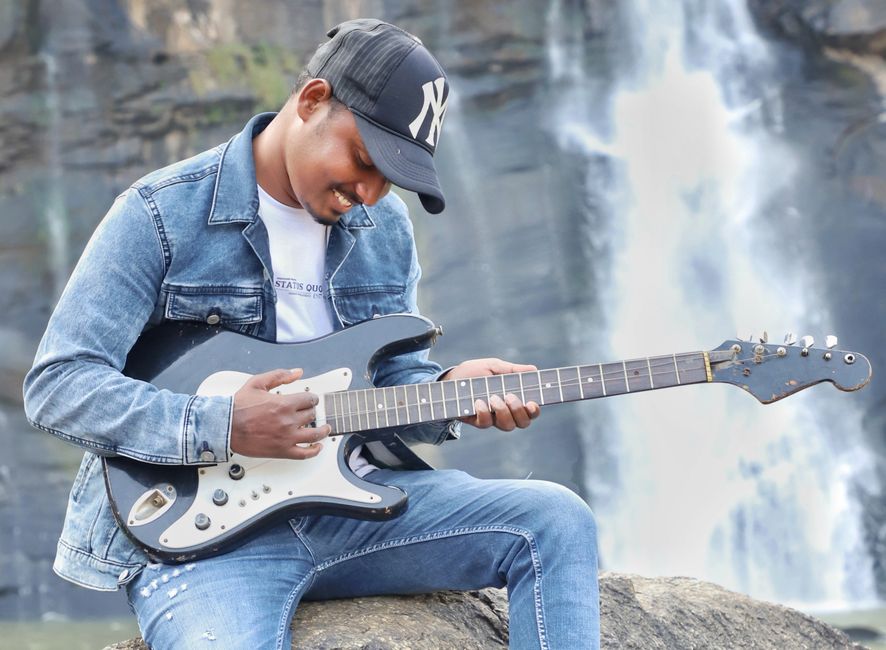
Moving into the rest of 2026 and beyond, this "I am music" identity is only going to become more important. As the industry gets more crowded and algorithms become harder to game, authenticity and intentionality are your biggest assets.
Artists who fully embrace "I am music" as their identity—who treat every decision, collaboration, and piece of content as part of their larger vision—are the ones who build sustainable careers. They're not chasing every trend. They're building something real.
For emerging artists, this is your competitive advantage. When you commit to being "music," you're choosing depth over breadth, intention over desperation. That shows in your work, and fans feel it.
What is the "I Am Music" album by Playboi Carti?
It's Carti's third studio album released on March 14, 2025, featuring 30 tracks including the Travis Scott collaboration "RUSH." The album represents Carti's artistic vision and commitment to evolving his sound. It hit number one on release day and showcased his chaotic, experimental approach to hip-hop.
How do artists use their identity to grow their career?
Artists build careers by being intentional across all platforms, making strategic collaborations, consistently engaging with fans, and evolving their sound authentically. A strong social media presence combined with exclusive live content helps artists stand out in 2026's competitive landscape.
Why does live performance matter to the "I am music" identity?
Live performances are where artists truly express their "I am music" identity because it's a direct, unfiltered connection with fans. In 2026, artists are focusing on smaller, more localized performances that create intentional, memorable experiences rather than generic touring schedules.
How can I discover artists who embody this identity?
Look for artists releasing intentional projects, engaging authentically on social media, and performing live with energy and commitment. Platforms that feature exclusive live performances and artist interviews—like DECTV—are great places to discover artists who are truly living out their musical identity.