
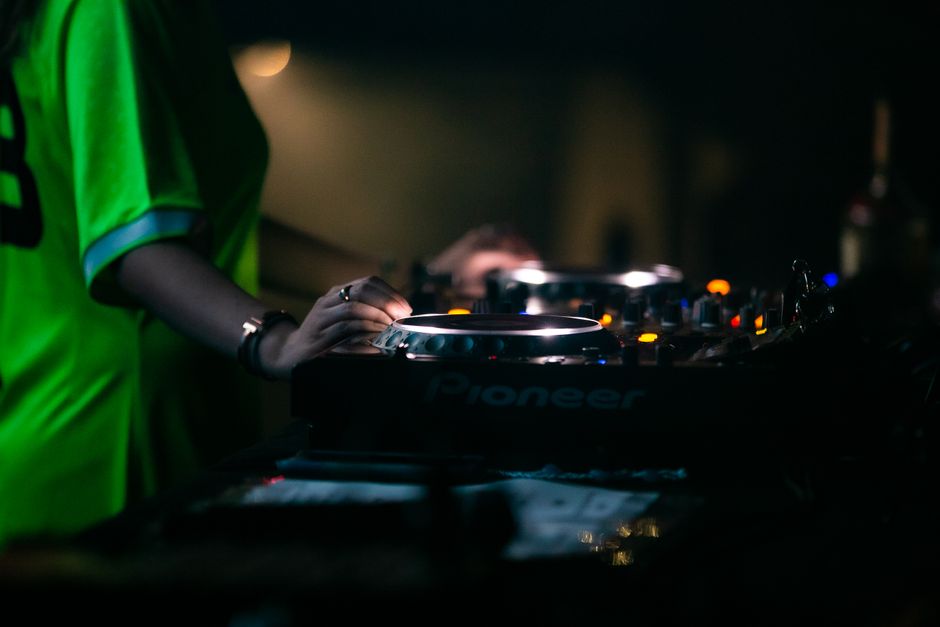
House music is electronic dance music built on a repetitive four-on-the-floor beat, typically running between 115–130 BPM, with roots tracing directly back to disco. It's the oldest pillar of EDM and the genre that literally built the modern dancefloor. If you've ever felt your chest move to a hypnotic electronic beat, you've experienced house music.
Whether you're discovering it for the first time or diving deeper into subgenres, understanding house music opens doors to live performances, artist collaborations, and cultural moments you won't find anywhere else. Platforms like DECTV showcase house music artists, live DJ sets, and exclusive performances that capture the raw energy of the genre.
The Origins and Evolution of House Music
House music emerged in Chicago during the early 1980s, born from the energy of nightclub culture and the technological breakthroughs of drum machines and synthesizers. DJs took the four-on-the-floor rhythm from disco and stripped it down, layering in electronic elements that felt futuristic and hypnotic at the same time.
Related: Top Irish Artists: The Ultimate Guide to Ireland's Best Musicians
Related: SoundCloud Music: Complete Guide to Discovery & Streaming
By the 1990s, house music had spread globally. It became the soundtrack to massive festivals, warehouse parties, and underground clubs. The genre's accessibility meant anyone with a drum machine and imagination could create it, which led to an explosion of creativity and diversity.
Today in 2026, house music remains a core foundation of EDM culture. It hasn't faded because it evolves constantly. New artists reinterpret its sound while honoring its roots, keeping the genre alive and culturally relevant.
Key Characteristics That Define House Music
The four-on-the-floor beat is the heartbeat of house. It's simple: kick drum hits on every beat, 1-2-3-4, over and over. This repetition is hypnotic, not boring. It creates a trance-like state on the dancefloor.
Beyond the beat, house tracks typically feature:
- Soulful vocal samples layered over instrumental sections
- Warm, analog synthesizer sounds
- Steady basslines that groove rather than shock
- Minimal changes throughout a track (DJs mix for 8-12 minute sets)
- An emphasis on feel and vibe over complexity
The tempo range of 115–130 BPM keeps your body moving without exhausting it. It's the sweet spot for sustained dancing. Faster genres like drum and bass (which can hit 160-180 BPM) feel frenetic by comparison. Slower genres like trance let you breathe but demand more emotional investment.
Major House Music Subgenres Explained
House music isn't monolithic anymore. It's fractured into distinct subgenres, each with its own sound, tempo, and cultural moment.
Deep House strips things back further. It emphasizes jazz chords, soulful vocals, and a more spacious arrangement. Tempo typically sits around 120 BPM. It feels intimate, almost introspective, despite happening on a dancefloor.
Tech House blends house grooves with the minimal, mechanical energy of techno. It's got more edge, more experimentation with sound design. Producers layer in unexpected textures and pads that create tension.
Progressive House takes you on a journey. Tracks build slowly, layering elements over 8-10 minutes. The goal is to create emotion and progression, not immediate impact. It's perfect for long DJ sets where the vibe evolves throughout the night.
Bass House cranks up the low-end pressure. The kick drum gets heavier, the bassline more aggressive. It bridges house and trap, appealing to listeners who want groove with muscle.
Future House is the newest evolution, blending house elements with modern pop production techniques, future bass wobbles, and contemporary synth design. It's accessible to mainstream audiences while maintaining house's core DNA.
Why House Music Still Matters in 2026
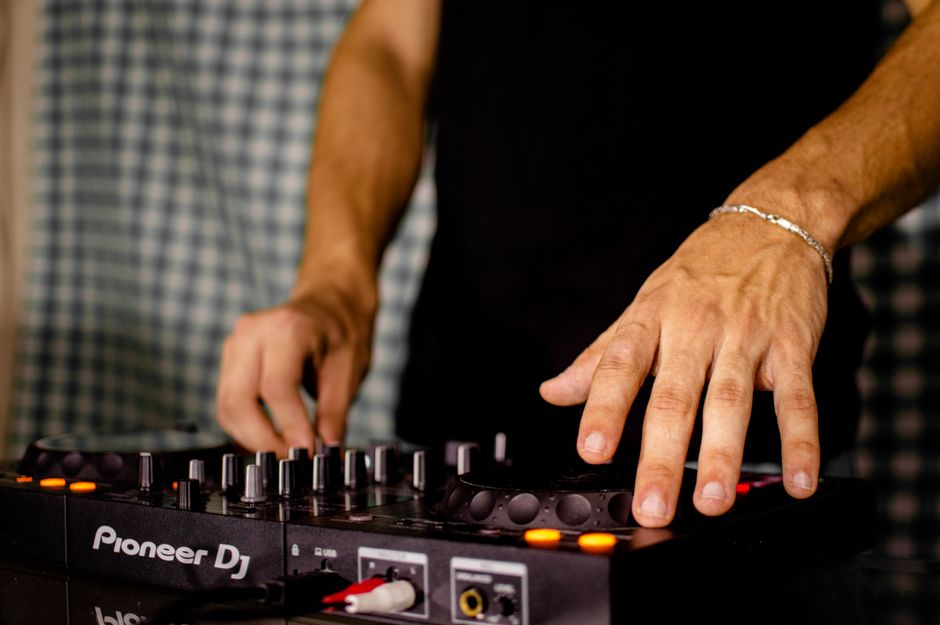
House music has outlasted countless trends because it's adaptable. The four-on-the-floor beat is timeless. New producers keep finding fresh angles, fresh sounds, and fresh emotions to layer on top of that foundation.
It's also the most inclusive genre in EDM. You don't need to be a technical wizard to create house music. A basic drum machine, a sampler, and creative ears can get you started. This low barrier to entry has led to incredible diversity: house artists come from every continent, every culture, every background.
Live house music performances are where the genre truly shines. A talented DJ reading the room, dropping remixes, building tension and release across four hours—that's an experience you can't replicate on a playlist. That's why DECTV focuses on capturing live sets and artist performances. House music demands to be experienced in real-time, with real people, moving together.
House Music vs. Related EDM Genres
House often gets lumped together with techno, trance, and drum and bass. But they're distinct genres with different philosophies.
Techno prioritizes the machine itself. It's minimalist, mechanical, hypnotic. While house is soulful, techno is industrial. Techno often runs colder, more abstract.
Trance focuses on emotional melodies and uplifting progressions. It's about taking you somewhere. Trance wants you to feel transcendence, hence the name. House is grounded; trance is aspirational.
Drum and Bass (DnB) is fast. We're talking 160-180 BPM with rapid breakbeats. It's chaotic energy versus house's steady groove. DnB rewards intensity; house rewards presence.
House's strength is its balance. It's fast enough to keep your body engaged but steady enough to sustain focus. That middle ground is why it's endured as the foundational pillar of EDM culture.
How to Experience House Music Culture
The best way to understand house music is to experience it live. Find a local DJ night, a club, a festival, or a warehouse event in your area. Bring friends. Show up with an open mind. Let the rhythm move you.
Online, you've got options. Streaming platforms dedicated to live performances and artist interviews give you direct access to house music's personalities and energy. Watching a 90-minute live DJ set, seeing the artist's hands on the decks, reading the room's energy—that's where house music comes alive.
If you want to dig into contemporary house artists and discover live performances, DECTV curates exclusive sets, interviews, and behind-the-scenes moments with both emerging and established house producers. You'll see the craft up close.
You can also follow specific house artists and labels. Names like Defected Records, Cajual, and Ninja Tune are institutions in house music. They sign talent, release tracks, and organize events. Following their releases keeps you connected to the culture's cutting edge.
The Future of House Music
House music is evolving faster than ever. Producers are fusing it with Afrobeats, Latin rhythms, and global sounds. You're hearing house music remixes of pop songs. You're seeing TikTok clips of people dancing to house tracks that go viral globally.
The genre's flexibility means it will keep adapting. Every few years, a new subgenre or fusion emerges. But the core—that hypnotic four-on-the-floor beat, that soulful sensibility, that invitation to move your body together—that never changes.
If you're curious about where house music is heading and want to see the artists shaping its future, exploring DECTV's live performances and artist interviews connects you directly to the voices driving the genre forward.
Getting Started: Your First Steps into House Music
Start by listening. Put on a deep house playlist. Then try tech house. Then progressive. Feel the differences. Notice which subgenre makes you want to move.
Next, attend an event. Search for house music clubs, DJ nights, or open-air festivals near you. Go alone or bring someone. Experience the communal energy firsthand.
Follow artists. Pick a producer or DJ you connect with and follow their work. Learn their signature sound. Check out collaborations and remixes.
Finally, dive into the cultural context. Watch documentaries about Chicago house, Detroit techno, and how disco became the blueprint for modern electronic music. Understanding the story enriches the sound.
What's the difference between house music and techno?
House is soulful and groovy with a focus on feeling. Techno is mechanical and minimalist, emphasizing the coldness of machines. House welcomes vocal samples and warmth; techno strips these away. Both use repetitive beats, but house feels alive while techno feels otherworldly.
Can you make house music at home?
Absolutely. You need a computer, digital audio workstation (DAW) software, and virtual instruments or drum machines. Many producers start with free tools. The creative vision matters more than expensive gear. Countless bedroom producers have created hit tracks.
Why is house music called house?
The story most commonly told is that Chicago DJs in the 1980s played tracks at the Warehouse nightclub, and people started calling the sound "Warehouse music," which got shortened to "house." The Warehouse was the cultural epicenter, so the name stuck. Some debate exists around this origin, but the Warehouse connection is the widely accepted version.
Is house music still popular in 2026?
Yes. House remains a core pillar of EDM culture globally. While specific subgenres rise and fall in popularity, house itself never dies. It continuously evolves and attracts new listeners while maintaining a dedicated fanbase. Major festivals still dedicate stages to house music, and new artists emerge constantly.