
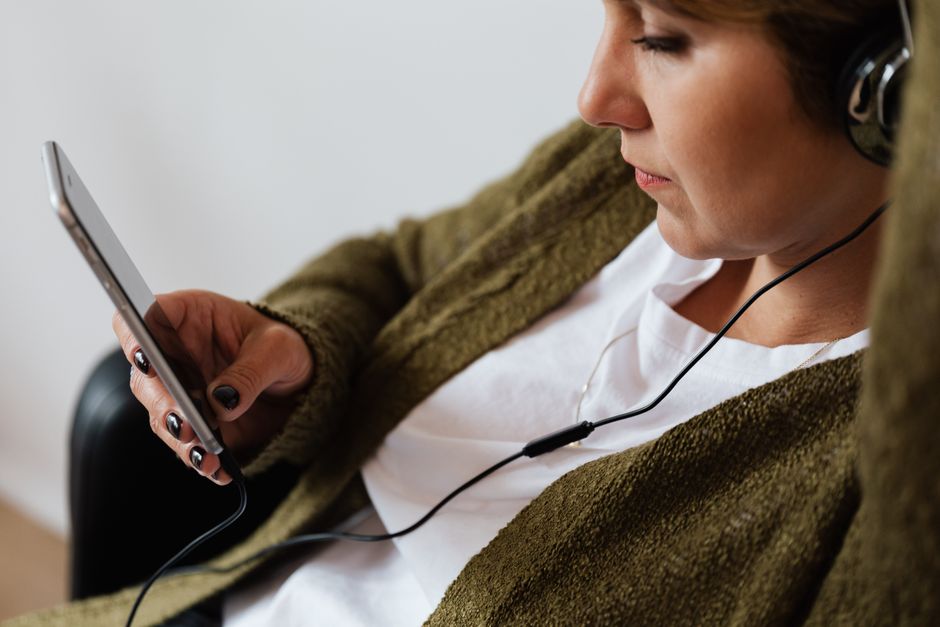
Free relaxing music is easier to find than ever, and it's one of the simplest ways to calm your mind when everything feels chaotic. Whether you're dealing with anxiety, trying to sleep better, or just need some peace during your workday, the right music can transform your mood in minutes.
The good news? You don't need a paid subscription or fancy equipment. Video streaming platforms now offer tons of free relaxing music content, from nature-focused compilations to looping piano melodies that run for hours on end. Let's walk through exactly where to find it and how to use it.
Where to Find Free Relaxing Music Online
Your best bet is to look for video platforms that specialize in music and entertainment. Platforms like DECTV offer a wide range of relaxing music content, including extended compilations and curated playlists designed specifically for stress relief and meditation.
Related: Best Relaxing Music for Stress Relief & Sleep in 2026
Most free relaxing music comes in three formats:
- Music videos with nature visuals (forests, rain, ocean waves)
- Looping audio streams that repeat seamlessly
- Extended compilations that run 12+ hours straight
The nature visual element matters more than you'd think. When you pair soothing audio with calming visuals, your brain relaxes faster. It's not just about what you hear, it's about what you see too.
Best Types of Relaxing Music for Different Situations
Not all relaxing music works the same way. Your needs change depending on what you're trying to do.
For Sleep
Long, extended compilations work best here. Look for tracks in the 8-12 hour range so you don't have to worry about music cutting off in the middle of the night. Piano melodies paired with ambient sounds are ideal because they're predictable and don't have sudden loud moments that jolt you awake.
For Meditation and Anxiety
Shorter, focused sessions work better. Try 30-60 minute compilations with nature sounds mixed in. The combination of soothing audio and nature elements helps quiet your overthinking brain and brings you back to the present moment.
For Spa or Massage Sessions
You want music that creates atmosphere without demanding attention. Gentle piano, soft strings, and water sounds work perfectly. These create a peaceful environment that lets you (or your guests) fully relax.
How to Use Relaxing Music in Your Daily Life
Here's the thing most people get wrong: they treat relaxing music like a one-time fix. Real benefits come when you make it a habit.
Start by picking one specific time or situation. Maybe it's every morning with coffee, or right before bed. Set your playlist and let it play. Don't scroll through your phone or watch the screen. Just listen and let your body settle.
If you're new to this, begin with shorter sessions (20-30 minutes). Your brain needs time to adjust to slowing down. Gradually work up to longer sessions as you get more comfortable.
One pro tip: use the same music or the same type of music every time you do the same activity. Your brain creates associations, so after a few weeks, pressing play will automatically trigger relaxation. It's like training your mind to shift gears.
Key Features to Look For in Relaxing Music Content

When you're hunting for free relaxing music, keep these qualities in mind.
- No sudden volume spikes or jarring sounds
- Consistent tempo and mood throughout
- Nature sounds mixed with music (water, birds, wind)
- High-quality audio that doesn't sound tinny or compressed
- Extended formats for uninterrupted listening
- Visual elements that feel genuinely peaceful (not cheesy)
If a track has commercials that interrupt every few minutes, it's probably not worth your time. You're looking for unbroken, seamless relaxation.
Related: Listening to Music: How to Actually Hear Every Detail
Related: Reggaeton Music: A Complete Guide to the Genre
Related: Rock Music: Origins, Subgenres & What Makes It Timeless
Why Video-Based Relaxing Music Works Better
You might wonder why video matters when you just want to hear music. The answer is simple: your brain processes more than just sound.
When you watch calm nature scenes while listening to soothing music, multiple parts of your brain activate. You get visual relaxation, auditory relaxation, and your mind focuses on something specific instead of racing. It's way more effective than audio alone.
That's why video streaming platforms dedicated to music and entertainment are so valuable. They combine the audio with the visual experience that makes relaxation actually work. Check out DECTV to explore curated collections designed exactly for this.
Creating the Right Environment for Relaxing Music
Your setup matters. You don't need anything fancy, but a few small tweaks make a huge difference.
Dim the lights or turn off bright overhead lighting. If you're using a phone, reduce screen brightness. Make sure you're in a comfortable position where you can sit or lie down without tensing up. Close any doors to minimize outside noise.
If you share your space with others, let them know you're taking relaxation time. No interruptions means your nervous system can actually downshift.
The best part? You can do this anywhere. On your couch, in bed, at your desk during a lunch break. Video platforms make relaxing music accessible on any device, so you're never without it when you need it most.
Building a Relaxing Music Routine
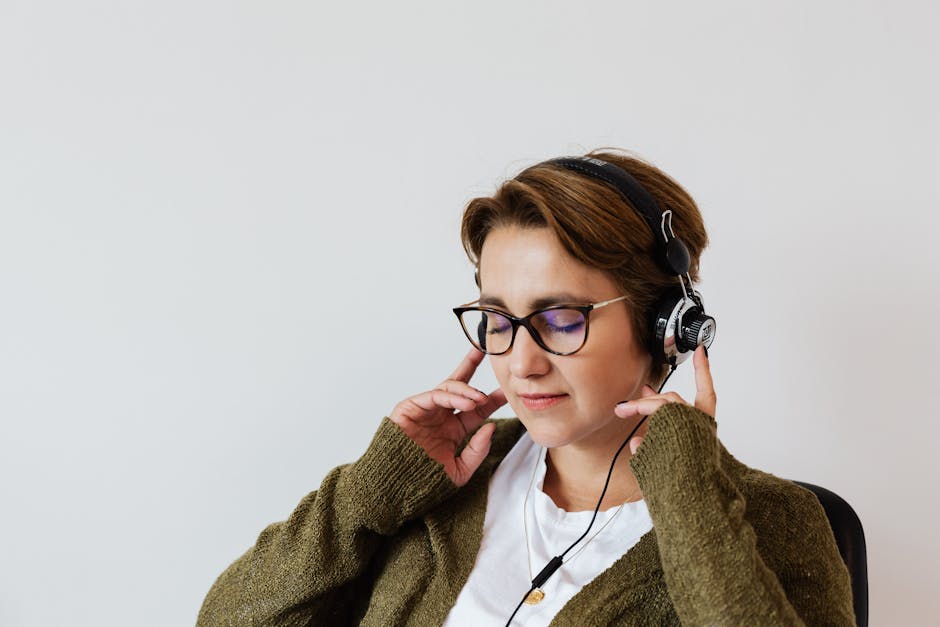
Consistency is what transforms relaxing music from a nice distraction into an actual tool for better mental health.
Start with just 2-3 times per week. Pick the same time if possible. Your body loves patterns, and your brain will start anticipating the relaxation.
After two weeks, notice what changes. Are you sleeping better? Feeling less anxious? Getting through stressful moments more easily? Small shifts matter. They're proof that this is working.
If you find yourself reaching for relaxing music more often, that's great. It means you've discovered something that genuinely helps you feel better. That's the whole point.
For discovery and deeper exploration of relaxing content, DECTV offers playlists and compilations specifically curated to fit different relaxation needs and moods.
Common Mistakes People Make with Relaxing Music
You can mess this up in a few ways, so here's what to avoid.
Don't use relaxing music as background filler while you're doing other intense things. Multitasking defeats the purpose. Your brain needs to focus on the music and visuals to actually relax.
Don't expect instant results. Sometimes it takes a few sessions before your body truly settles. Patience is part of the process.
Don't switch between different music styles constantly. Pick something and stick with it for at least a few sessions. Your brain needs consistency to build that relaxation response we talked about earlier.
And don't assume all relaxing music is the same. Piano might work for you, while nature sounds work better for someone else. Experiment until you find what genuinely calms your nervous system.
Getting Started Today
You're ready to start. Here's your move: find a video platform with free relaxing music content, pick one compilation or playlist, and give it 20 minutes without distractions. That's it.
You don't need to overthink it. Just press play and let yourself feel the difference. After a week of doing this regularly, you'll understand why so many people rely on relaxing music to manage stress and improve sleep.
Platforms built around music and entertainment have made this more accessible than ever. DECTV streams music content across multiple devices, so whether you're on your phone, tablet, or TV, you can access relaxing music whenever you need it.
People Also Ask
Is free relaxing music actually effective for stress?
Yes. The combination of soothing audio, predictable patterns, and visual elements designed for calm literally signals your nervous system to downshift. It's not magic, but it's definitely real. Regular use shows real results for anxiety and sleep quality.
How long should I listen to relaxing music to feel benefits?
Start with 15-20 minutes per session. That's enough time for your body to notice a shift. As you get more comfortable with it, longer sessions become easier. Some people eventually use 60+ minute compilations for sleep without any problem.
Can relaxing music interfere with sleep if I listen right before bed?
No, that's actually one of the best times to use it. Relaxing music signals to your body that it's time to wind down. Listening for 20-30 minutes before you want to sleep can actually help you fall asleep faster and stay asleep longer. Just make sure the music keeps playing through the night so sudden silence doesn't wake you.
What's the difference between relaxing music and meditation music?
Relaxing music is designed to calm you down and reduce stress. Meditation music is specifically crafted to support focused attention and mindfulness. There's overlap, but meditation music often has more structured pacing and fewer sudden changes. Some people use both, depending on their goal in that moment.