
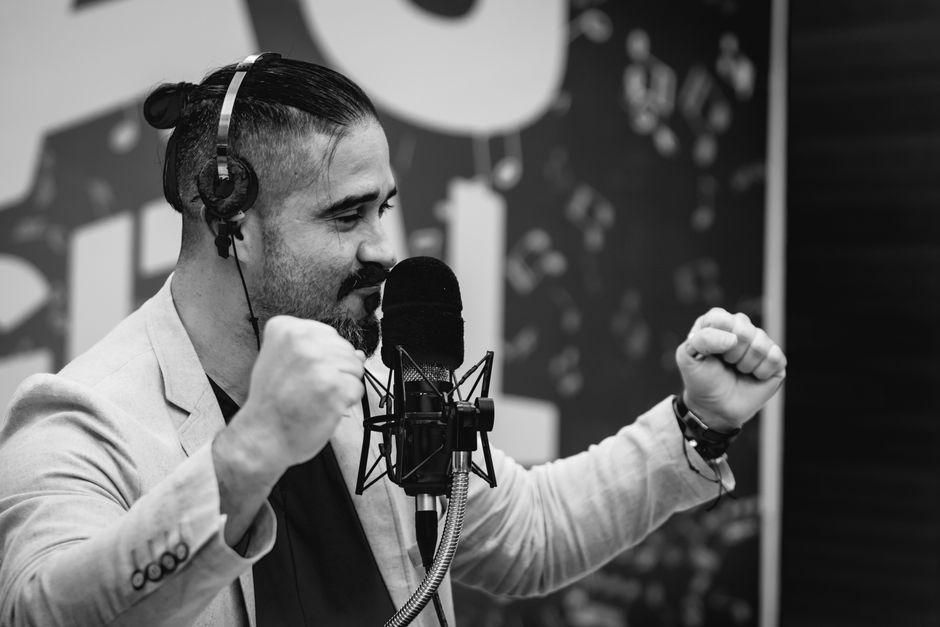
So you want to know what makes exclusive artist interviews and performances actually matter? Here's the real deal: in 2026, artists can't just drop music and ghost. They need to show up in front of cameras, tell their story, and perform live where fans can feel the energy. That's where DECTV comes in as a platform that gets it.
Exclusive artist interviews and performances are the fastest way for musicians to build genuine relationships with their audience. Skip the algorithm games. Real conversations, raw performances, and behind-the-scenes access is what sticks with people.
Related: Best Entertainment 90s Streaming: Live Performances & Nostalgia
Related: Best Music Performance Clips for Exclusive Artist Content
Related: Exclusive Music Artist Interviews Streaming: Where to Watch
Why Exclusive Artist Interviews Matter Now
Let's start with the basics. An exclusive artist interview is more than just someone asking questions. It's a chance for artists to control their narrative and fans to see who they really are off stage.
Here's why it matters so much in 2026: talent alone isn't enough. A singer could have the best voice in the world, but if nobody knows their story, their vibe, or what drives them creatively, they'll struggle to build a loyal fanbase. Interviews fix that problem.
When you get to hear an artist talk about their creative process, their influences, or the personal stuff behind their music, you connect differently. You care more. You're more likely to show up for their releases and share their work with friends.
Think about the artists blowing up right now. Most of them aren't just making hits. They're doing podcast interviews, sitting down for video chats, collaborating on content with other musicians, and being real about the journey. That transparency builds trust.
The Power of Live Performances in Artist Branding
Now let's talk about performances. A recorded interview is cool, but watching an artist perform live? That's where the magic happens.
Related: Best Way to Watch Artist Performances on Fire TV in 2026
Live performances show technical skill, stage presence, and energy that a studio recording can't always capture. Fans feel invested because they're seeing the artist deliver in real time, no edits, no second takes.
Here's what makes a performance exclusive: limited access. If every performance is available everywhere, it loses value. But when you know a performance is only on a specific platform or happens once, you show up.
The best artist development strategies in 2026 focus on building a brand around both recorded music and live experiences. Interviews tell the story. Performances prove the talent.
How to Find Quality Exclusive Artist Content
You've probably noticed interviews are everywhere now. Magazines, YouTube, TikTok, podcasts, streaming platforms, Instagram Live. So how do you find the good stuff?
Look for platforms that specialize in artist content and actually invest in production quality. Low-budget interviews feel cheap. High-production interviews feel premium, and artists take them more seriously.
Search for genre-specific content. If you love jazz, find jazz-focused interviews. If you're into indie rock, seek out platforms that dive deep into that world. Generic content doesn't hit the same.
Video format is still king for interviews. Audio podcasts are great, but video lets you read body language, see the artist's genuine reactions, and catch details that matter. DECTV focuses on video because it's the most immersive way to experience artist content.
Pay attention to who's doing the interviewing, too. A good host asks questions that go deeper than surface level. They let the artist actually talk instead of just promoting their latest single for 30 minutes.
What Makes an Interview Worth Watching

Not all artist interviews are created equal. Here's what separates the forgettable ones from the ones you actually want to share.
Preparation matters. The host did their homework. They know the artist's discography, their background, and what makes them unique. Lazy interviews where the host is reading off Wikipedia are transparent and awkward.
Let them talk. Good interviews have balance. The host asks, but then shuts up and lets the artist actually answer. You'd be shocked how many interviews interrupt constantly.
Go for vulnerability. The best interviews reveal something real. An artist talking about failure, creative blocks, or how they bounced back from rejection is way more interesting than someone just hyping their new album.
Ask about the process. Fans are curious about how music gets made. What was the inspiration? How many times did you rewrite this song? Who influenced this sound? That stuff fascinates people.
Include live moments. Some interviews have the artist perform a song or acoustic snippet during the chat. That breaks up the conversation and gives you a taste of their actual talent.
Building Your Own Artist Brand Through Interviews
If you're a musician thinking about doing interviews, here's what you need to know.
First, choose your platforms strategically. You don't need to be everywhere. Pick platforms where your fans actually hang out and where the interview format matches your vibe. A lo-fi artist might kill it on a podcast. A visual artist might need video format.
Second, prepare. Know what story you want to tell. Write down three to five key messages you want to communicate. Have examples ready. Don't wing it and hope you sound interesting.
Third, be yourself. Fans can spot when you're being fake. The interviews that perform best are the ones where the artist is genuinely relaxed and honest.
Fourth, perform whenever you can. Use interviews as a chance to showcase live clips, acoustic versions, or unreleased material. Give people something they can only get from that interview.
If you're serious about artist development, consider professional media training. It sounds corporate, but DECTV hosts artists who've worked with coaches to nail their interview presence, and it shows. You learn how to stay on message, tell stories better, and handle tough questions with confidence.
The Rising Trend of Multi-Artist Interviews
One format that's blowing up in 2026 is the collaborative interview where multiple artists sit down together.
Why? Because it creates conversation instead of interrogation. Two artists discussing their creative process, influences, or industry observations is way more natural than one person answering questions.
These formats also work great for discovering new artists. Maybe you follow one musician, but the interview introduces you to a collaborator or friend they bring along, and suddenly you have a new favorite.
Genre-specific content platforms are using this format a lot. A jazz interview might feature two musicians jamming and talking about their craft. An indie rock interview might have a band member and a producer diving into the making of an album.
If you're looking for this style of content, search specifically for collaborative or multi-artist interviews. They tend to be longer, more conversational, and give you way more insight into how artists actually work together.
Where to Stream Exclusive Artist Content Right Now
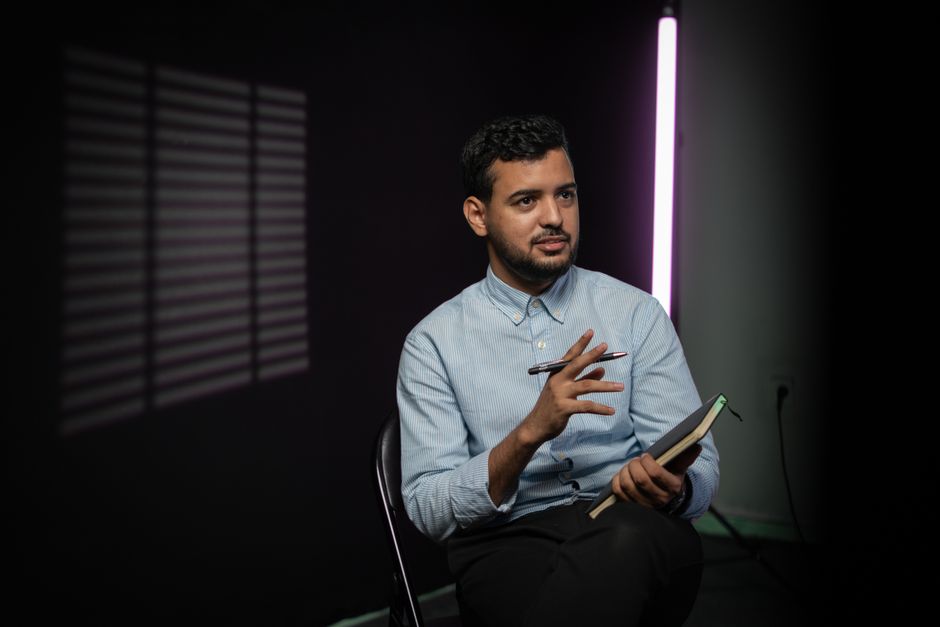
You know what the problem is with music streaming? Most platforms prioritize algorithm-driven playlists over actual artist storytelling. You get songs, but not the context around them.
That's why exclusive artist interview and performance platforms have become so valuable. They fill a gap.
Look for platforms that dedicate real resources to artist content. High-production interviews, multiple camera angles, professional lighting, quality audio. You can tell immediately when a platform cares about the artist experience versus just slapping up cheap content.
Emerging artist spotlights are huge right now. Every major platform is running "Artists to Watch" segments because that's what fans want: discovery of new talent before they blow up. DECTV features everything from established artists deep-diving into their catalog to brand new talent getting their first big platform. That's the full spectrum.
When you're exploring, pay attention to genre. A platform that specializes in jazz will have different artists and interview styles than one focused on hip-hop or electronic music. Find your lane.
Also check if the platform has live performances alongside the interviews. That's the sweet spot. You get the conversation and the live energy in one place.
How Interviews Build Long-Term Fan Loyalty
Here's something most casual fans don't realize: exclusive artist interviews are actually a loyalty tool.
When you invest time in an interview, you learn things about an artist that casual listeners don't know. You understand their influences, their process, what inspires them. You feel like you're part of an inner circle.
That feeling turns casual listeners into loyal fans. They're more likely to pre-order albums, buy merchandise, show up to concerts, and defend the artist online. You've created an emotional connection.
Smart artists know this. That's why they prioritize exclusive interviews on platforms that matter to them. They're not just promoting; they're deepening relationships with fans who already care.
The platforms that win are the ones that understand this dynamic and create spaces where those connections can actually form. Quality over quantity. Real conversations over manufactured hype.
The Interview Format That Works Best for You
So which format should you actually watch or participate in?
Video interviews are best if you want the full experience. You get to see reactions, energy, and body language that adds layers to the conversation.
Audio interviews (podcasts) are best if you're multitasking. You can listen while driving, working out, or cooking.
Written interviews are best if you want to digest information at your own pace and reference specific quotes.
Live interviews are best if you want real-time interaction and energy. There's something about knowing it's happening right now that makes it feel special.
The smartest move? Use multiple formats depending on your mood and schedule. But if you want to really connect with an artist, at least try one video or live interview. That's where the magic happens.
Looking for a concentrated destination for artist interviews and live performances? Check out what's available on DECTV's streaming library right now. They're constantly adding new exclusive content featuring artists across genres, from jazz legends to rising indie acts.
Key Takeaways for Finding and Using Artist Interview Content
Artist interviews are essential for building fanbase loyalty and understanding the person behind the music. They tell you the story that the songs alone can't.
Live performances prove talent in real time and create exclusive moments that feel valuable. There's no substitute for watching someone deliver live.
Quality matters more than quantity. A single well-produced interview beats dozens of low-effort ones.
Genre-specific platforms tend to have deeper, more meaningful content than generic ones. Find where your music community actually gathers.
Multi-artist interviews and emerging artist spotlights are where discovery happens. You'll find new favorite musicians this way.
Video format gives you the most complete picture of an artist's energy and presence. Prioritize video when you can.
Getting Started Today
You don't need to overthink this. Start by looking for one artist you already love and searching for their recent interviews. Check out different formats and platforms. See what style resonates with you.
If you're an artist looking to build your brand, identify platforms that align with your music style and audience. Do one interview. See how it feels. Get feedback. Do another. Build momentum.
The exclusive artist interview and performance space is only growing. More artists are realizing it's not optional if they want to build real connections. More fans are realizing it's the best way to actually understand the music they love.
What's the difference between exclusive artist interviews and regular interviews?
Exclusive interviews are limited to one platform or have restricted access, making them feel special and valuable. Regular interviews are available everywhere. The exclusivity creates scarcity and makes fans want to tune in.
Can I find live artist performances on DECTV alongside interviews?
Yes. DECTV features both exclusive interviews and live performances from artists across multiple genres, so you get the full artist experience in one place.
How often do artists do exclusive interviews?
It varies. Major artists might do multiple interviews per year to promote albums or tours. Emerging artists might do fewer, more strategic interviews. There's no set schedule, which is why following specific platforms helps you catch new content.
Are podcast interviews considered exclusive artist interviews?
They can be. A podcast interview is exclusive if it's only available on that podcast platform or if the artist is sharing things they haven't discussed elsewhere. Many jazz and niche genre podcasts feature exclusive artist conversations.