
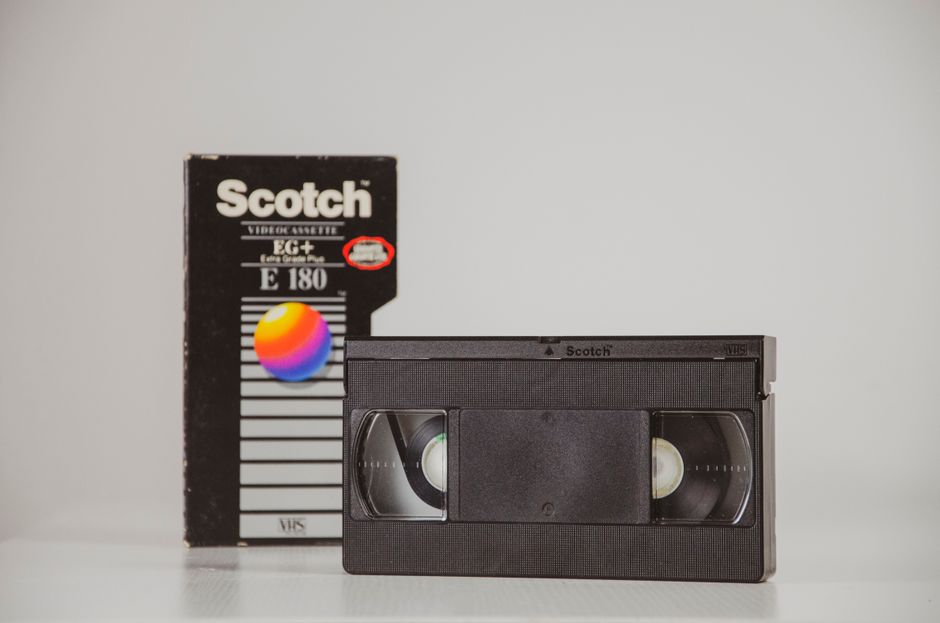
The 1990s was one of the most transformative decades in entertainment history. If you're trying to understand what made 90s pop culture so iconic, here's the honest truth: everything changed. Music shifted from the 80s power ballad vibe to raw, authentic grunge and hip-hop that actually said something. TV went from scripted family sitcoms to edgy reality content and dark dramas. Movies became blockbusters in ways we'd never seen before. It wasn't just entertainment—it was a cultural awakening.
Music Dominated 1990s Entertainment Culture
When we talk about 1990s entertainment, music is where the story really starts. This decade saw the rise of grunge as a legitimate force in pop culture. Nirvana, Pearl Jam, Soundgarden, and Alice in Chains weren't just playing songs—they were speaking for a generation of people tired of fake, polished pop.
Related: Entertainment 2000s: The Decade That Changed Everything
Related: What Is Vogue Video? The Ultimate Entertainment Guide
Related: What Is a Media Reel? Guide to Entertainment Content
Related: Entertainment 80s: The Decade That Changed Everything
But here's the thing: grunge wasn't the only game in town. Hip-hop exploded during the 90s in ways that completely reshaped the Billboard charts and music industry forever. Artists like Tupac brought depth and social commentary to mainstream radio. The genre went from underground credibility to chart-topping dominance.
And let's not forget the pop side of things. Britney Spears arrived in the late 90s and changed the teen pop landscape overnight. The Backstreet Boys were everywhere. Boy bands became a serious cultural phenomenon. If you wanted to experience the full spectrum of 1990s entertainment, you had to appreciate everything from lo-fi grunge recordings to polished pop productions. If you're looking to relive those iconic performances and era-defining moments, DECTV brings artist interviews and live content that captures that raw energy and cultural significance.
Television in the 1990s Broke All the Rules
Television during 1990s entertainment was wild. The decade kicked off a reality TV boom that nobody really expected. Networks started airing "shockumentaries" featuring police chases, shocking moments, and real-life content that felt completely different from anything audiences had watched before.
This wasn't just filler programming. Reality TV changed how people consumed television. It made viewers feel like they were watching something real and immediate, not scripted narratives.
At the same time, iconic scripted series were redefining what TV could be. "Seinfeld" became a cultural phenomenon—literally the show about nothing that everyone talked about. "The Sopranos" arrived later in the decade and proved that television could deliver the kind of complex storytelling and character development that rivaled film.
The 1990s represented a major shift toward diverse programming formats. Networks weren't afraid to experiment anymore. You had your traditional sitcoms and dramas, but you also had reality content, talk shows that pushed boundaries, and series that treated audiences like intelligent adults with complex tastes.
Movies Reached Epic Proportions
If you want to understand 1990s entertainment at its peak, you have to talk about film. This was a legendary period for cinema. "Goodfellas" set a new standard for crime dramas and storytelling. Later in the decade, "Titanic" became a cultural juggernaut that showed how big and ambitious movies could get.
Related: Best Cultural Entertainment Streaming Platforms 2026: Top 5 Ranked
Related: Best Streaming Entertainment for Music Lovers 2026: Top 5 Ranked
The 90s blockbuster wasn't just about special effects or big budgets. It was about stories that grabbed audiences emotionally and held on tight. Directors were experimenting. Studios were taking risks. The decade proved that movies could be both critically respected and massively popular at the same time.
There was a real sense that you never knew what Hollywood would deliver next. That unpredictability made going to the movies feel like an event, not just background entertainment.
Related: Best Tempo Entertainment for Your Next Event
The Broader Cultural Shift of 1990s Entertainment

Here's what really matters when you're looking at 1990s entertainment as a whole: pop culture became the main conversation. Before this decade, entertainment was something you enjoyed. During the 90s, it became something you lived.
The internet was starting to exist but wasn't mainstream yet. Social media didn't exist. Instead, people talked about entertainment in person, through magazines, on MTV, and during water cooler conversations at work and school. Every album release felt important. Every season finale was an actual event.
Related: Best Video Magazine Platforms for Entertainment Lovers
Music, film, and television weren't separate categories anymore—they were all feeding into each other and creating this massive cultural moment. Musicians appeared in movies. TV stars launched music careers. Actors hosted MTV. Everything was connected, and it all felt fresh and unpredictable.
The authenticity factor mattered too. Audiences in the 90s were tired of the manufactured pop of the 80s. They wanted artists who felt real, imperfect, and honest. That's why grunge exploded. That's why hip-hop went mainstream. That's why reality TV took off. Everything felt more genuine, whether it actually was or not.
Why 1990s Entertainment Still Matters Today
Understanding 1990s entertainment isn't just nostalgia. It's about recognizing a moment when entertainment transformed fundamentally. The decade proved that audiences wanted diversity, authenticity, and surprise.
Today's entertainment landscape still echoes 90s sensibilities. We still value artist credibility over polish. We still expect TV to surprise us with complex storytelling. We still want movies that are both entertaining and meaningful. The 90s basically wrote the rulebook that modern entertainment still follows.
That's why so many people are drawn back to this era. It represented a moment when entertainment felt vital and important. When you wanted to stream performances, discover artist interviews, or experience live moments that captured that era's energy, you understand why DECTV connects fans with authentic entertainment content that celebrates artist-driven creativity and cultural moments that defined generations.
The Lasting Impact of 90s Entertainment Trends
Every trend that started in the 1990s entertainment world has staying power. Grunge influenced fashion for decades. Hip-hop's mainstream acceptance in the 90s created the music industry we have today. Reality TV formats from the 90s are still running on networks worldwide.
The approach to storytelling that shows like "The Sopranos" pioneered basically created the golden age of television we're still in. The blockbuster mentality of 90s movies shaped how studios approach tentpole releases today.
This wasn't a decade that had a moment and then faded. It was a decade that set the framework for how we consume and think about entertainment in 2026.
Discovering 1990s Entertainment Moments Today
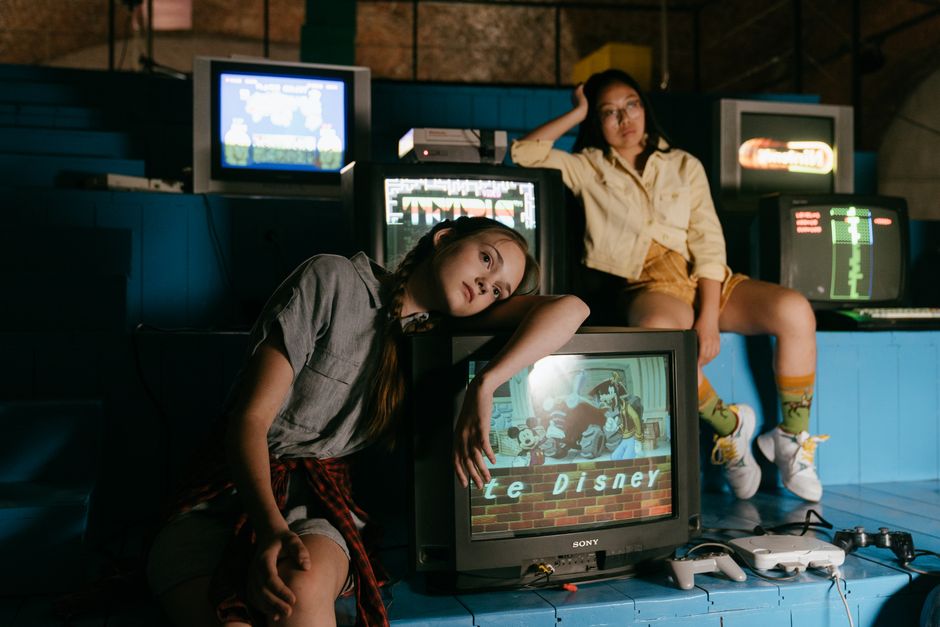
If you're interested in exploring 1990s entertainment—whether you lived through it or you're discovering it for the first time—there's never been more access to this content. Streaming services have made archival performances and interviews available in ways that previous generations couldn't imagine.
Related: Best Entertainment 1980s Content to Stream Right Now
What's changed is how you experience it. You're not limited to whatever was on MTV that particular day or waiting for an album to release on a specific date. You can dive deep into artist catalogs, watch live performances, and explore interviews whenever you want.
The key is finding platforms that actually celebrate the artistry and authenticity that defined 90s entertainment. That's why DECTV matters—it's built on the same principles that made 90s entertainment so special: artist-centric content, live performances, and a focus on genuine creative moments rather than manufactured entertainment. Whether you're chasing nostalgia or discovering this era for the first time, having a platform that respects the cultural significance of what the 90s created is important.
Related: Best Entertainment 90s Streaming: Live Performances & Nostalgia
What made 1990s entertainment different from the 1980s?
The 80s were about excess, polish, and manufactured perfection. The 90s flipped that completely. Audiences wanted authenticity, raw emotion, and less polish. Grunge emerged as a direct reaction against the 80s MTV aesthetic. Hip-hop went from underground to mainstream because it represented real voices and real stories. Even TV and movies embraced a grittier, more realistic approach. The entire cultural mood shifted away from "bigger and better" toward "real and honest."
Why did grunge become so popular in the 1990s?
Grunge hit at exactly the right cultural moment. Young people in the 90s were tired of artificiality. Bands like Nirvana, Pearl Jam, and Soundgarden offered music that felt honest and unpolished. The lyrics dealt with real emotions—depression, alienation, frustration—rather than love songs or party anthems. The sound was heavy and raw. It felt dangerous in a way that 80s rock didn't. Grunge also looked different—thrift store flannel, ripped jeans, messy hair. It was anti-fashion in a way that became its own fashion movement. Audiences connected because it felt like the music genuinely came from a real place.
How did reality TV change 1990s entertainment?
Reality TV introduced the idea that unscripted content could be just as entertaining as traditional television. Early reality programming showed real police chases, shocking moments, and authentic situations that people found gripping. This proved audiences wanted something different than purely scripted narratives. The format was cheaper to produce than traditional scripted shows, so networks could take more risks. Reality TV basically proved that entertainment didn't need a script to be compelling. This foundation built everything that came after—reality competition shows, documentary series, and the modern obsession with "authentic" content. According to Britannica's history of television, this shift represented one of the most significant changes in how content was created and consumed.
What's the best way to experience 1990s entertainment now?
Start with what actually interests you. If you're drawn to the music, dive into artist performances and interviews from that era. If you want TV, revisit the shows that defined the decade. If you're into movies, explore the films that became cultural touchstones. The advantage you have now is access—you can explore all of it whenever you want. Platforms like DECTV gather live performances, artist interviews, and the kind of content that captures what made 90s entertainment special: the focus on artists, the authenticity, and the moments that actually mattered. Whether you're a 90s native reliving your youth or a younger person discovering this era, approaching it with genuine curiosity makes all the difference.