

The 1970s was the last decade when live music dominated young people's entertainment choices before everything went digital. Think packed concert venues, disco balls spinning until dawn, punk rockers shaking up the status quo, and massive movie theater lineups for films that became cultural legends. If you want to understand what entertainment 1970s culture actually looked and sounded like, you're looking at a era when getting out of the house wasn't optional—it was the entire social experience.
Why Live Entertainment Ruled the 1970s
Before streaming, TikTok, or even home video players became standard, the 1970s audience had one real choice: experience entertainment in person or watch it on one of three television channels. That constraint actually created something magical. Live music venues became the heartbeat of youth culture, and going to see your favorite artist perform wasn't just entertainment—it was how you connected with your peers and defined who you were.
Young people in the 1970s built their entire social lives around live performances. Concert halls, clubs, and arenas weren't just places to hear music; they were gathering spaces where cultural movements happened in real time. DECTV taps into that exact energy today, delivering live performances and artist interviews that capture what made 1970s entertainment so magnetic—that raw, unfiltered connection between performer and audience.
Related: Best Entertainment 90s Streaming: Live Performances & Nostalgia
Disco, Punk, and the Soundtrack of the Decade
Two genres completely dominated the 1970s music landscape: disco and punk. They couldn't have been more different, and that's exactly what made the decade so creatively explosive.
Disco came from Black and Latino communities in New York City and brought infectious, danceable grooves to mainstream radio. Songs like "Le Freak" by Chic, "Night Fever" by the Bee Gees, and Donna Summer's "I Will Survive" didn't just fill dance floors—they became the soundtrack to a cultural moment when African American artists achieved mainstream recognition for the first time. This wasn't just music; it was a seismic shift in American entertainment and representation.
Meanwhile, punk rock came roaring in from the UK and punk clubs in New York, bringing raw energy and anti-establishment attitudes. The Sex Pistols, The Ramones, and Blondie rejected everything polished about 1970s pop and screamed back at the world with three-chord songs and ripped clothing. It was chaos, but it was also freedom.
Southern rock also carved out massive territory in the 1970s, with artists like Lynyrd Skynyrd and The Allman Brothers Band offering something completely different from both disco and punk—long, soaring guitar-driven tracks that spoke to regional pride and blues heritage.
Blockbuster Films That Defined 1970s Entertainment
While live music owned the clubs and concert halls, movie theaters became pilgrimage sites for blockbuster films that changed entertainment forever. The 1970s gave us the films that basically invented the modern blockbuster concept.
Star Wars (1977) blew everyone's minds and proved that science fiction could be a massive cultural phenomenon. The Godfather trilogy redefined what serious cinema could accomplish at the box office. Grease brought the 1950s back with infectious energy and became a cultural touchstone. Willy Wonka and the Chocolate Factory gave kids (and adults) a magical escape into a world of pure imagination.
These weren't just movies—they were events. People lined up around the block, often seeing them multiple times. DECTV channels that magnetic theatrical experience into original programming and artist performances that recreate that sense of must-see-it-now energy, whether you're watching on your TV or mobile device.
Television Evolution and Social Issues
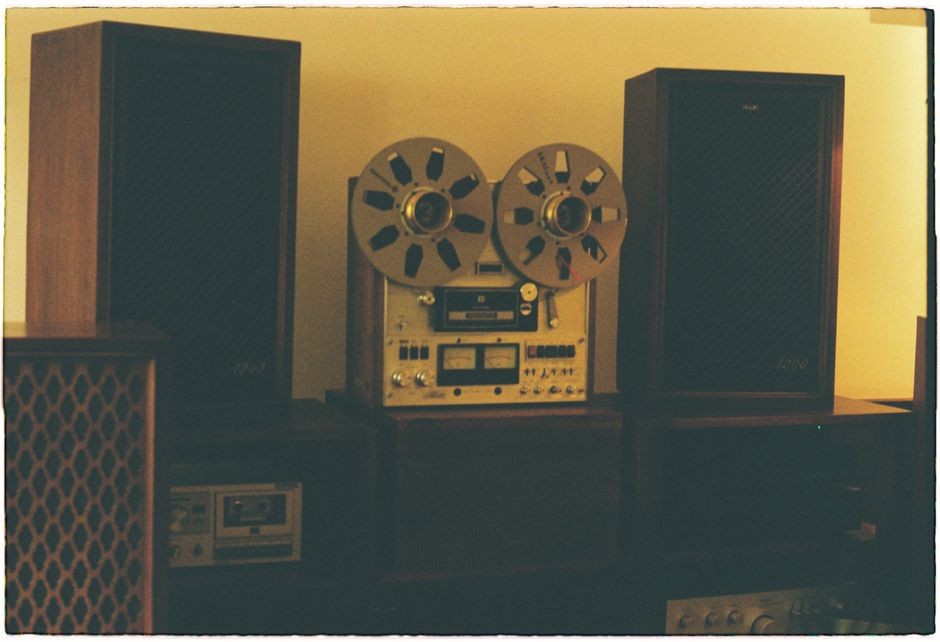
TV in the 1970s completely shifted focus from the rural-centered programming of the 1960s. New shows tackled contemporary social issues—the Anti-War Movement, the final stages of Civil Rights activism, and the Gay Liberation Movement all found their way into primetime storytelling.
Shows like All in the Family brought political disagreement into living rooms across America. Mary Tyler Moore gave audiences a female lead character who was career-focused and independent. The Muppet Show brought pure creativity and wit to families. Television became a mirror for what was actually happening in the culture, not an escape from it.
Drive-ins, Arcades, and Social Entertainment
Entertainment in the 1970s wasn't just passive consumption. Young people actually socialized through entertainment. Drive-in movies were massive—you could watch a film, be with your friends, and feel like you were part of a larger community all at once. Arcades started popping up with games like Pong. Bowling alleys, roller skating rinks, and miniature golf were legitimate weekend destinations.
Board games and card games brought people together at home. Creek play and outdoor activities competed with structured entertainment for kids' attention. It was a balanced ecosystem where entertainment happened both in commercial venues and organically with friends and family.
Why 1970s Entertainment Still Matters Today
Understanding what made entertainment in the 1970s so powerful matters because it shows us something we've lost and something we're trying to rebuild. That sense of gathering in person, experiencing live performance, and feeling that energy exchange between artist and audience—that's timeless. It's why concerts still sell out, why live theater still exists, and why DECTV focuses so heavily on live performances and artist interviews rather than just pre-recorded content.
The 1970s also proves that cultural diversity in entertainment—when you have disco, punk, southern rock, and emerging genres all thriving at the same time—creates an era people actually remember and talk about decades later. Monoculture is forgettable. Collision of different styles, voices, and perspectives creates magic.
For music and entertainment enthusiasts who want to experience that same raw energy and discovery that defined 1970s culture, DECTV streams live performances and exclusive artist content that captures that authentic connection between performer and audience across all your devices.
The Legacy of 1970s Entertainment

The decade left us with timeless films, iconic music, and a blueprint for how entertainment can actually matter culturally. Star Wars taught filmmakers that ambition works. The Godfather proved cinema could be both art and commerce. Disco broke down racial and sexual barriers in mainstream entertainment. Punk showed that you didn't need a massive budget to change culture—you just needed authenticity and something to say.
That combination of accessibility, authenticity, and cultural relevance is exactly what entertainment should do. Whether you're discovering a new artist or watching a live performance stream, the best moments happen when you feel a genuine connection to what's on screen.
What was the most popular music genre in the 1970s?
Disco dominated the mainstream charts and club culture in the mid-to-late 1970s, especially after the massive success of Saturday Night Fever in 1977. However, punk rock, southern rock, and soul music were equally important to different audiences. The 1970s were actually defined by multiple competing genres rather than one single dominant sound.
Why were concerts and live music so important in the 1970s?
Live music was the primary way young people socialized and experienced entertainment. Without home video, streaming, or even reliable access to recorded music beyond radio and vinyl, seeing your favorite artists perform in person was the main event. Concert venues became cultural gathering spaces that shaped identity and community.
What made 1970s films so iconic?
Films like Star Wars, The Godfather, and Grease succeeded because they combined technical innovation, compelling storytelling, and cultural relevance. They arrived at moments when audiences were hungry for escapism, thrilling spectacle, or emotional truth. They also benefited from the theatrical experience—there was no way to see them at home, so the cinema was a destination event, not a casual choice.
How did African American artists change 1970s entertainment?
The 1970s marked the first time Black artists achieved sustained mainstream radio play and chart dominance. Disco's roots in Black and Latino communities brought authentic voices and experiences to the center of pop culture. Artists like Donna Summer, Earth Wind & Fire, and Parliament-Funkadelic weren't relegated to separate radio formats—they became cultural forces that shaped what everyone was listening to and dancing to.